
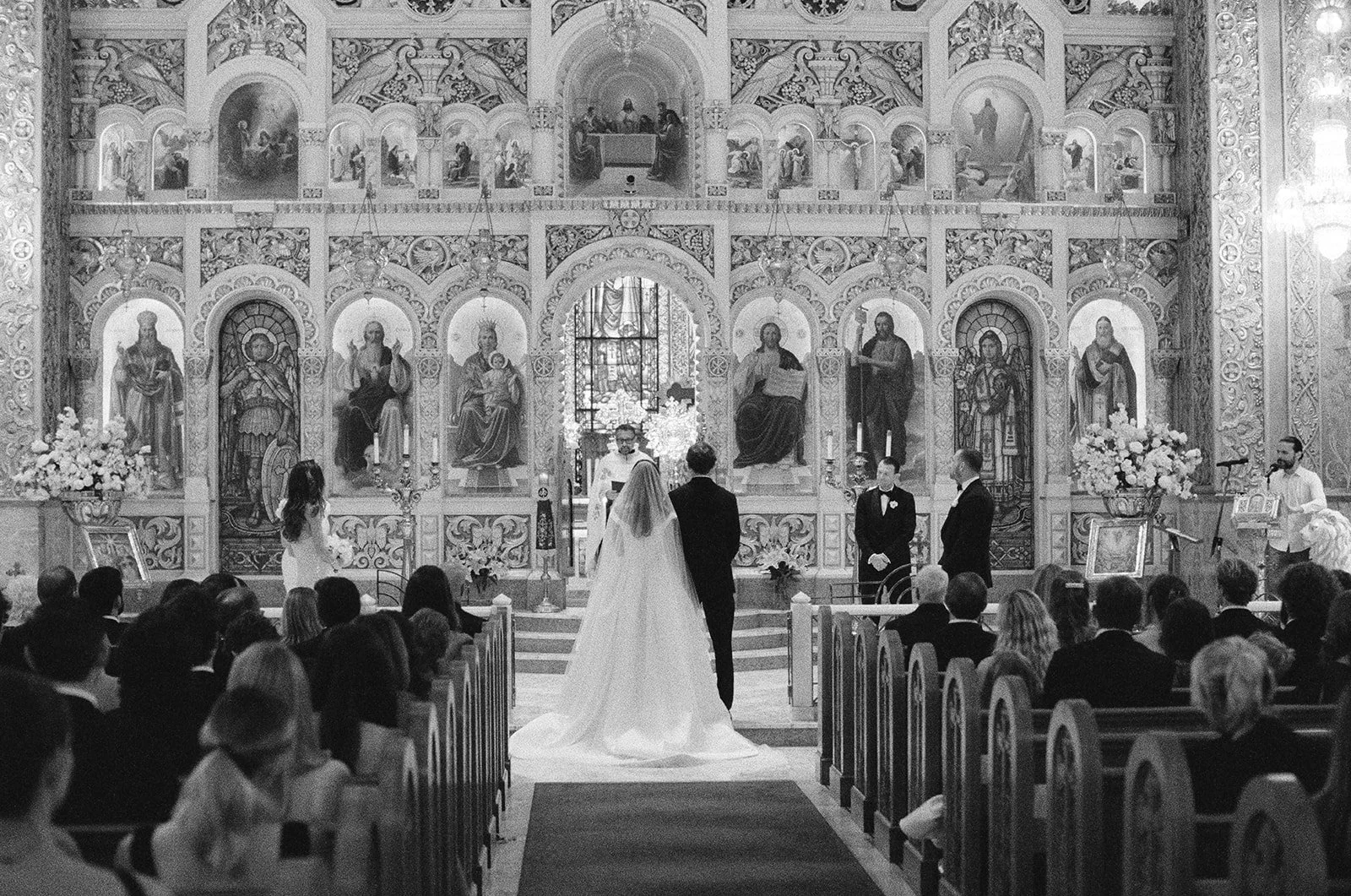
ANSWERS #006
Q. Do vendors really charge more just because you say “wedding”?
A. Not because of the word…because of the work.
This is one of the most asked questions, and while it’s easy to assume vendors hear “wedding” and start adding zeros, that’s not actually what’s happening.
Weddings are more time consuming — Weddings take longer to plan, require more hours overall, and involve more meeting, emails, and back-and-forth than bran events, birthdays, or other celebrations.
There are more stakeholders — Unlike most events, weddings involves multiple decision-makers—couples, parents, and sometimes stepparents—all with opinions, expectations, and emotions tied to one day.
The event itself lasts longer — May vendors are on-site for extended periods, sometimes 20 hours…including setup, the wedding, and breakdown, which may happen across multiple days.
The planning window is much longer — Weddings are often worked on for a year or event two, unlike birthday parties or other events that don’t require that level of long-term involvement.
At the end of the day, weddings aren’t “just another party.” They’re more complex, more emotional, and more involved…and pricing reflects the time and labor required to do them well.
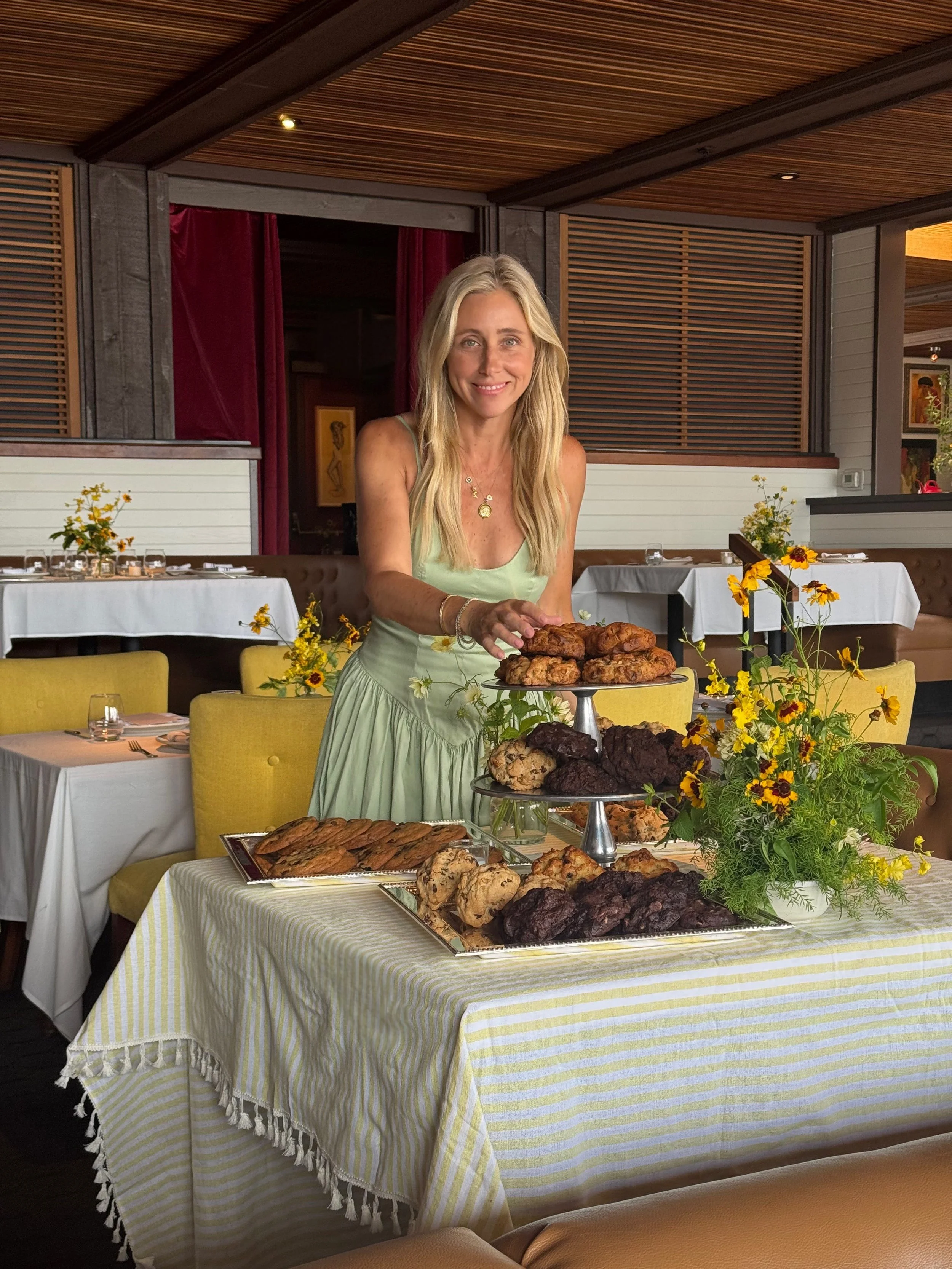
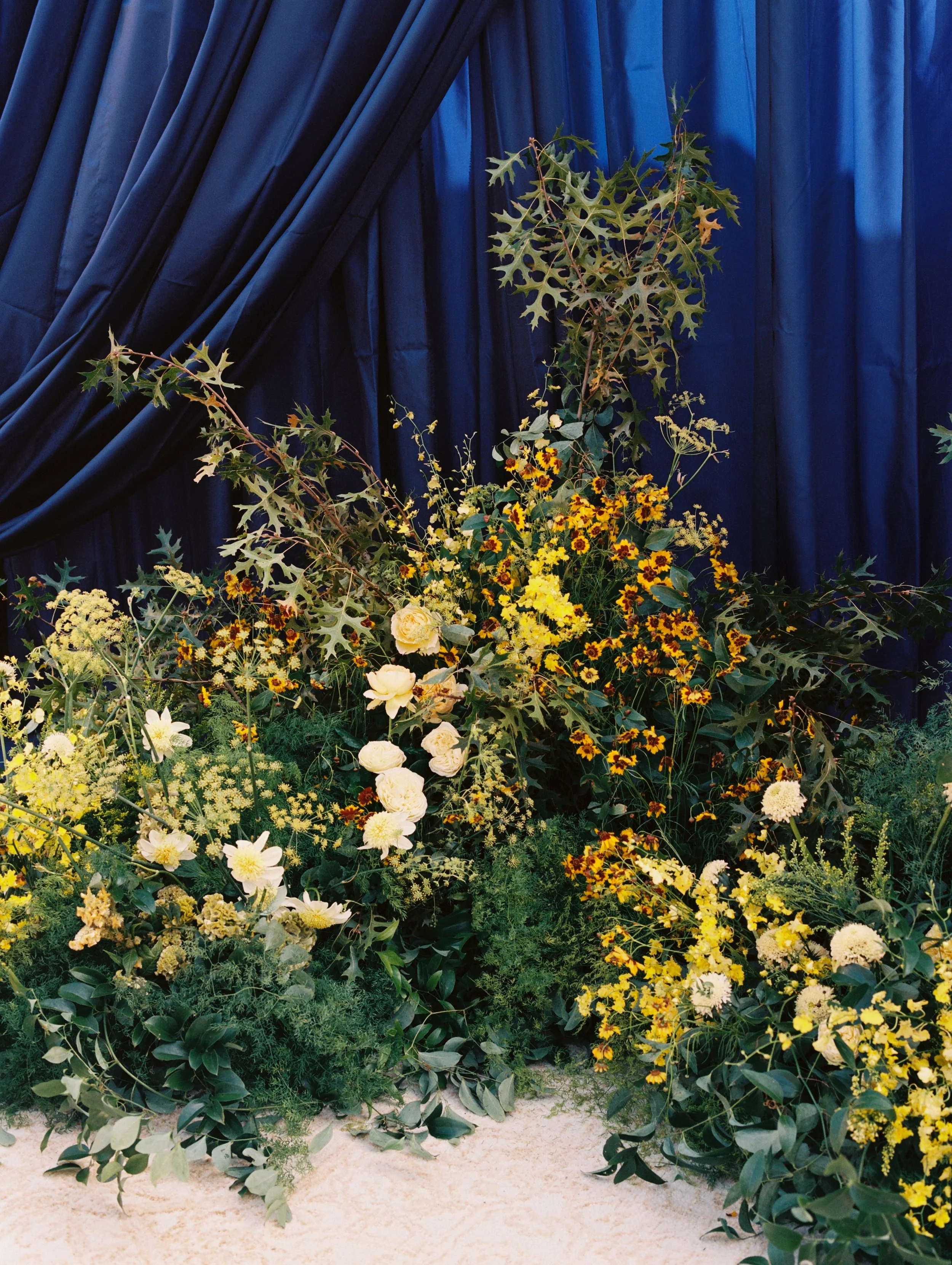
Photos by Pauline ChatelanQ. Sweetheart table or head table - which one actually works best?
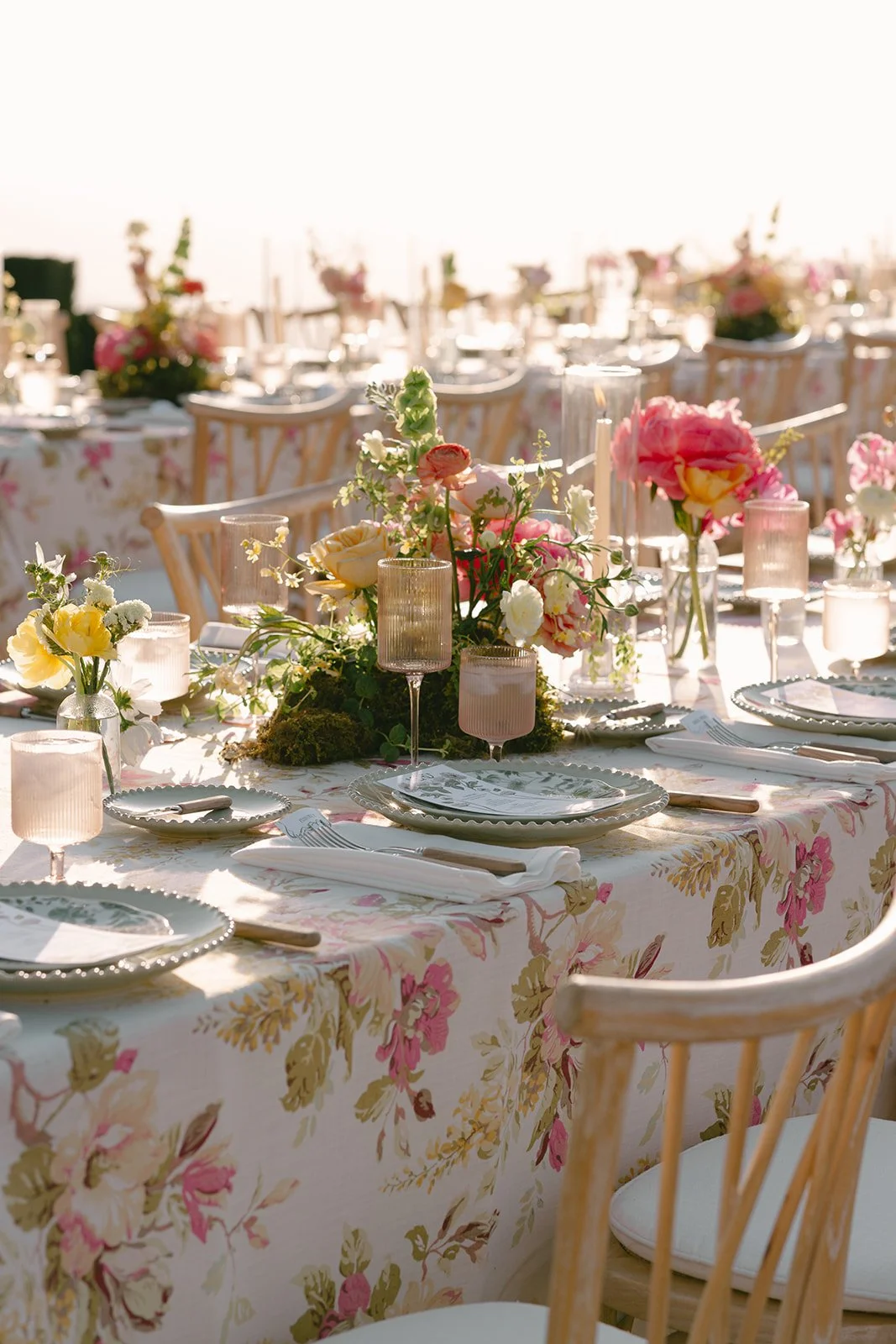
A. It depends on your layout, but if you’re doing long tables, a head table almost always wins.
This choice is less about tradition and more proportion, flow, and how the room reads…both in person and in photos. The table you sit at should feel intentional, not like an afterthought that didn’t quite fit.
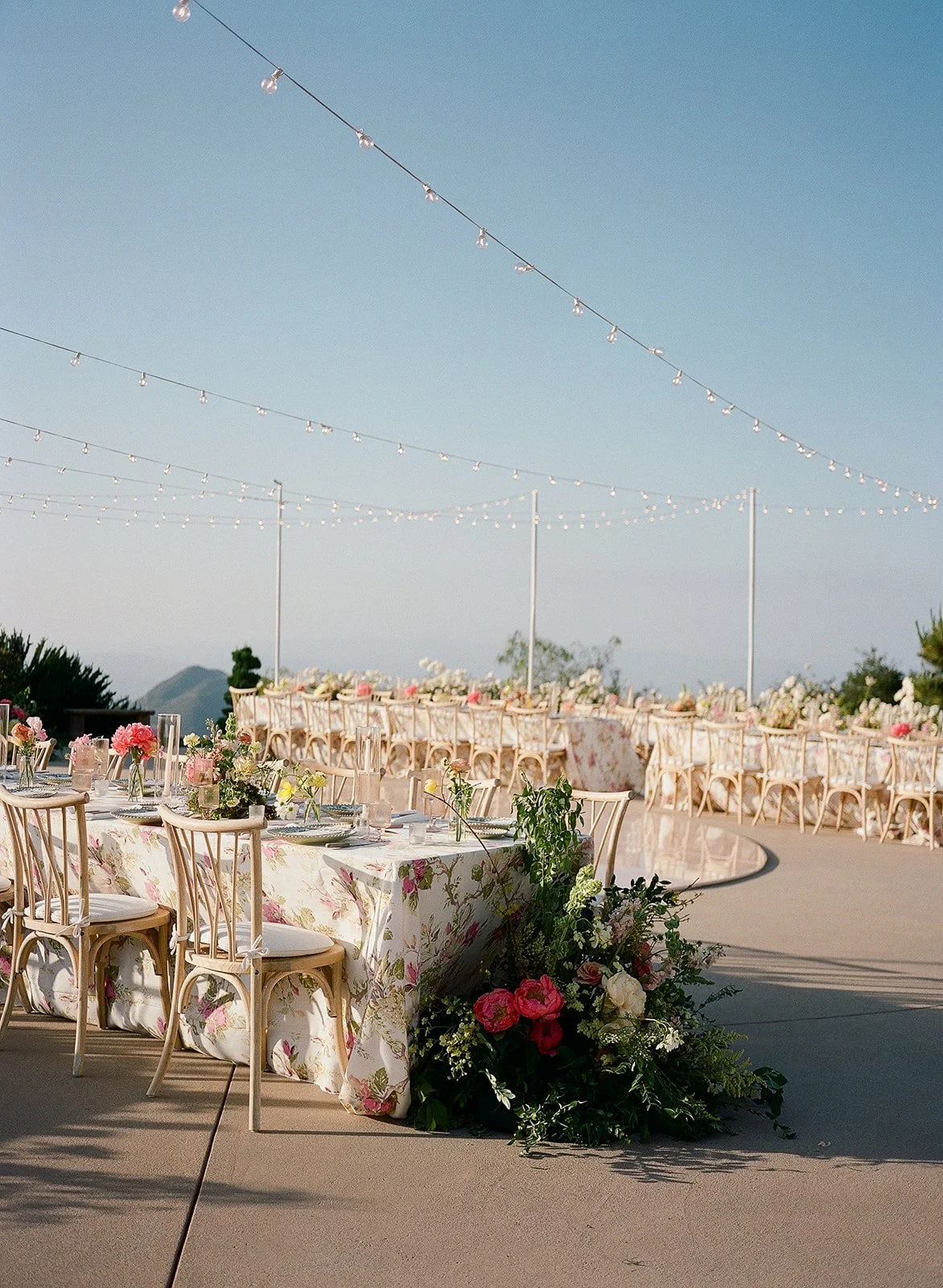
Head tables workbest with long table layouts — If the rest of the reception is long tables, a connected head table creates visual continuity, gives you space to socialize, and makes the table scape feel elevated.
A sweetheart table is essentially a tiny round — If your entire layout is rounds, a sweetheart table makes more sense…it blends better and doesn’t feel visually disconnected.
Long head tables photograph better — Leaving a bit of space around a connected head table helps you stand out as the focal point and gives your photos breathing room.
Logistics matter — If your venue doesn’t offer long tables or can’t accommodate a connected setup, a sweetheart table is totally fine…just make the base and design feel intentional and styled.
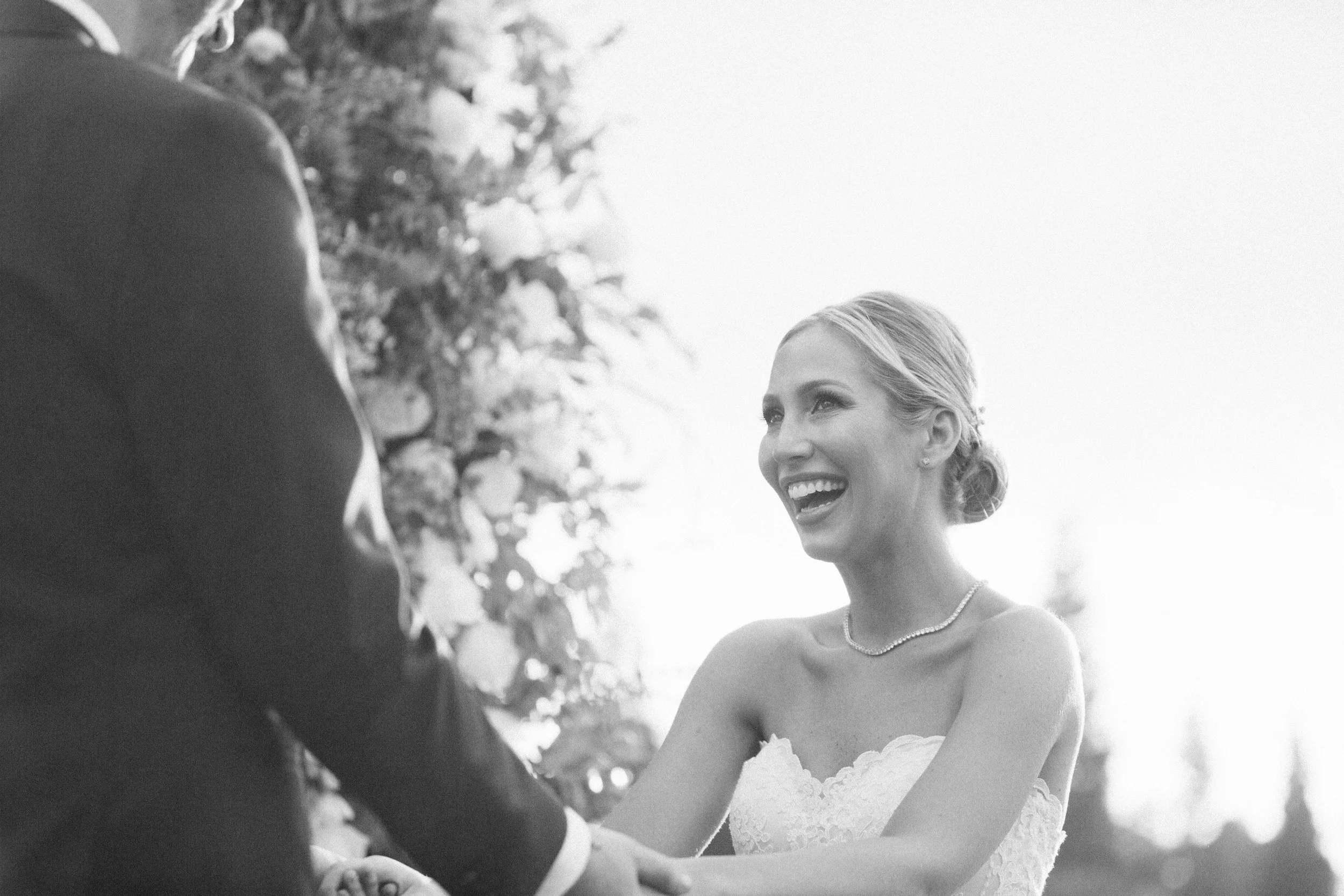
Photos by Rachel FosbennerQ. Why should you do a first look?
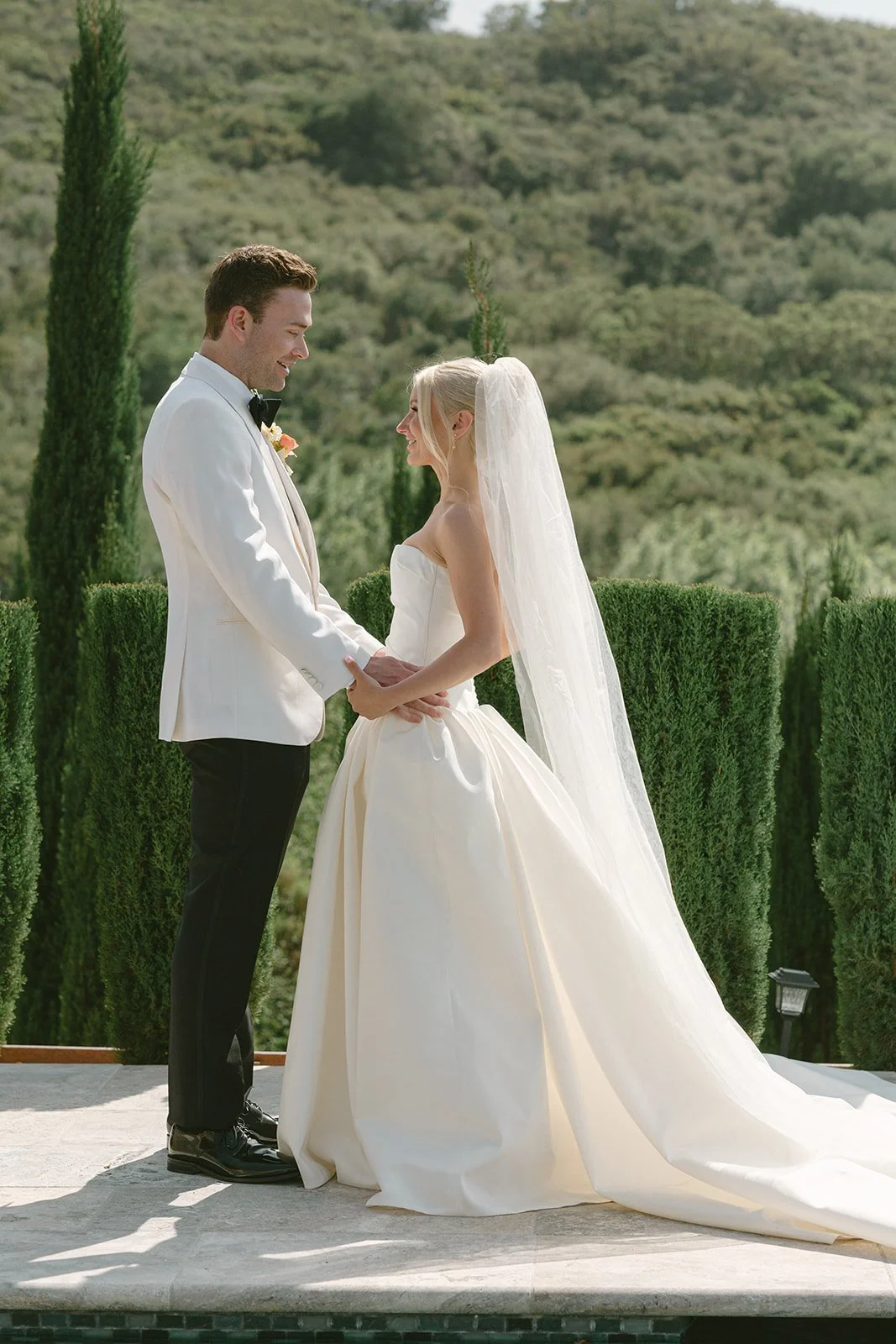
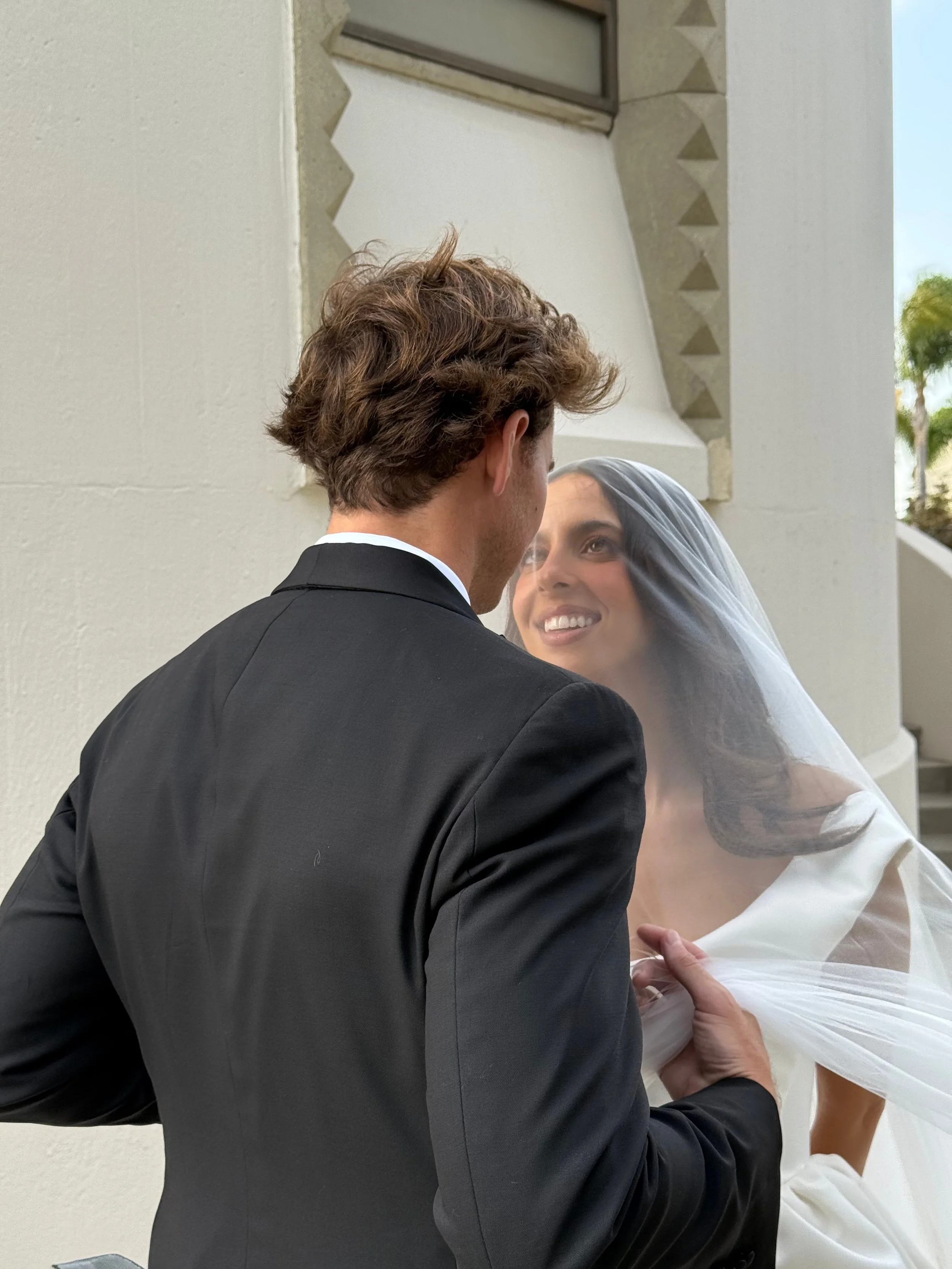
A. It’s the most efficient use of your time…and you don’t lose the moment.
Deciding whether or not to do a first look come sup with almost every couple. From a planning perspective, it’s one of the biggest tools for keeping the day running smoothly while still protecting your experience and your photos.
It keeps your timeline efficient —A first look allows you to take couple portraits and most family photos before the ceremony, instead of spending your entire cocktail hour taking pictures.
It improves guest experience — Guests can be released into cocktail hour immediately after the ceremony instead of waiting while photos are taken.
You get more meaningful moments — A private first look gives you space to connect quietly, and the ceremony still delivers a completely different, emotional experience with music, an aisle, and all your guests watching.
Photos by Rachel Fosbenner and Michelle Pullman of St. ChelleQ. What happens when uninvited or additional guest show up to a wedding?
A. It happens…and the goal is handling it without disrupting the event.
Additional guests aren’t the most common issue, but when they do show up, it’s usually noticed quickly.
It’s usually caught by staff first — Servers or guests notice seating issues when names or table numbers don’t match and alert the planner before anything escalates.
The planner manages the adjustment — As the team lead, the planner decides whether guests can be moved, reseated, or accommodated elsewhere based on available space and place settings.
Cultural expectations vary — In Some cultures, bringing additional guests is normal…ideally with a heads-up so food and seating can be planned accordingly.
Preparation is the real priority — The goal isn’t judgment, but making sure there’s enough seating and food so the event still feels intentional and well-planned.
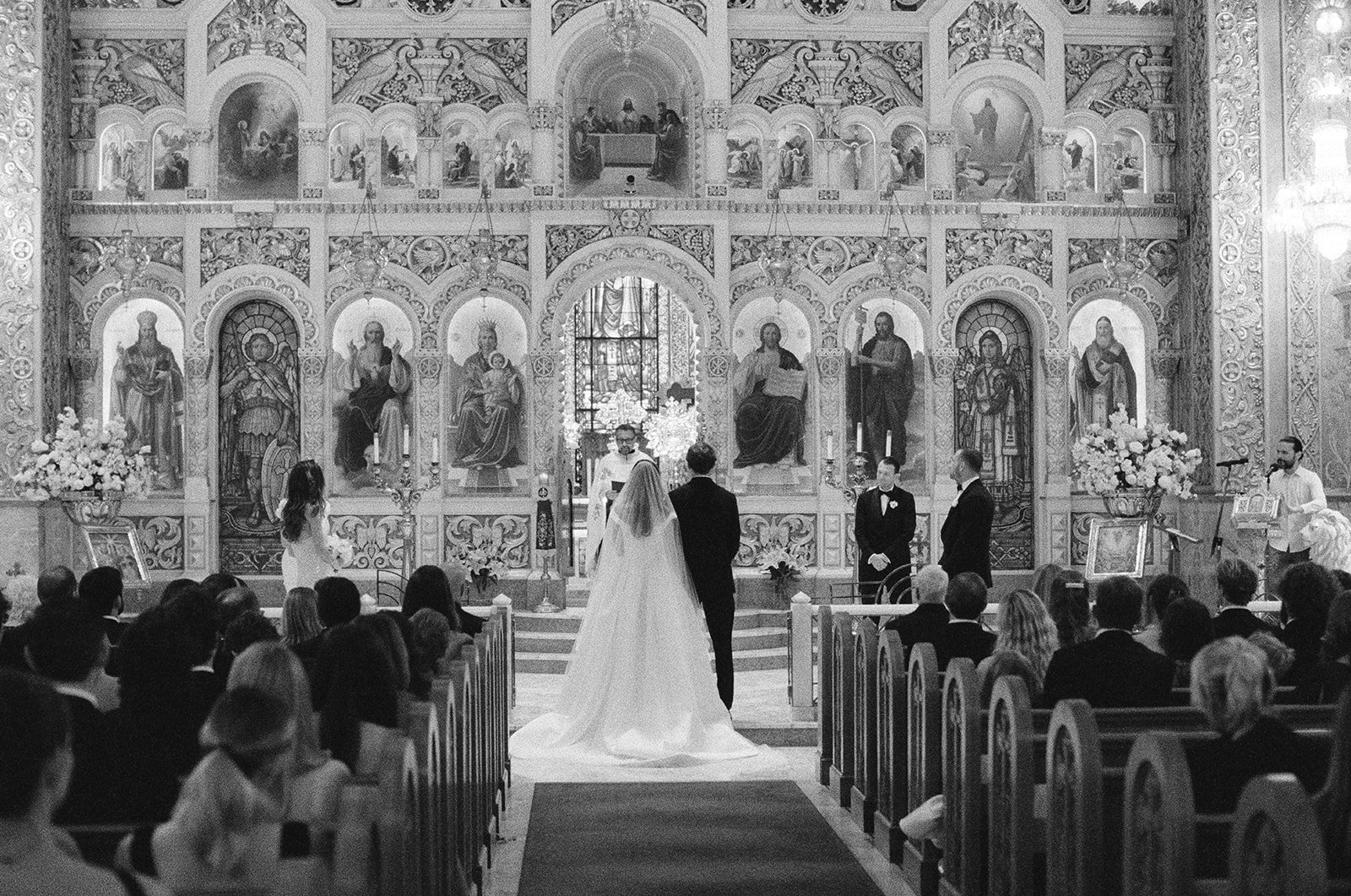
Photos by Michelle Pullman of St. Chelle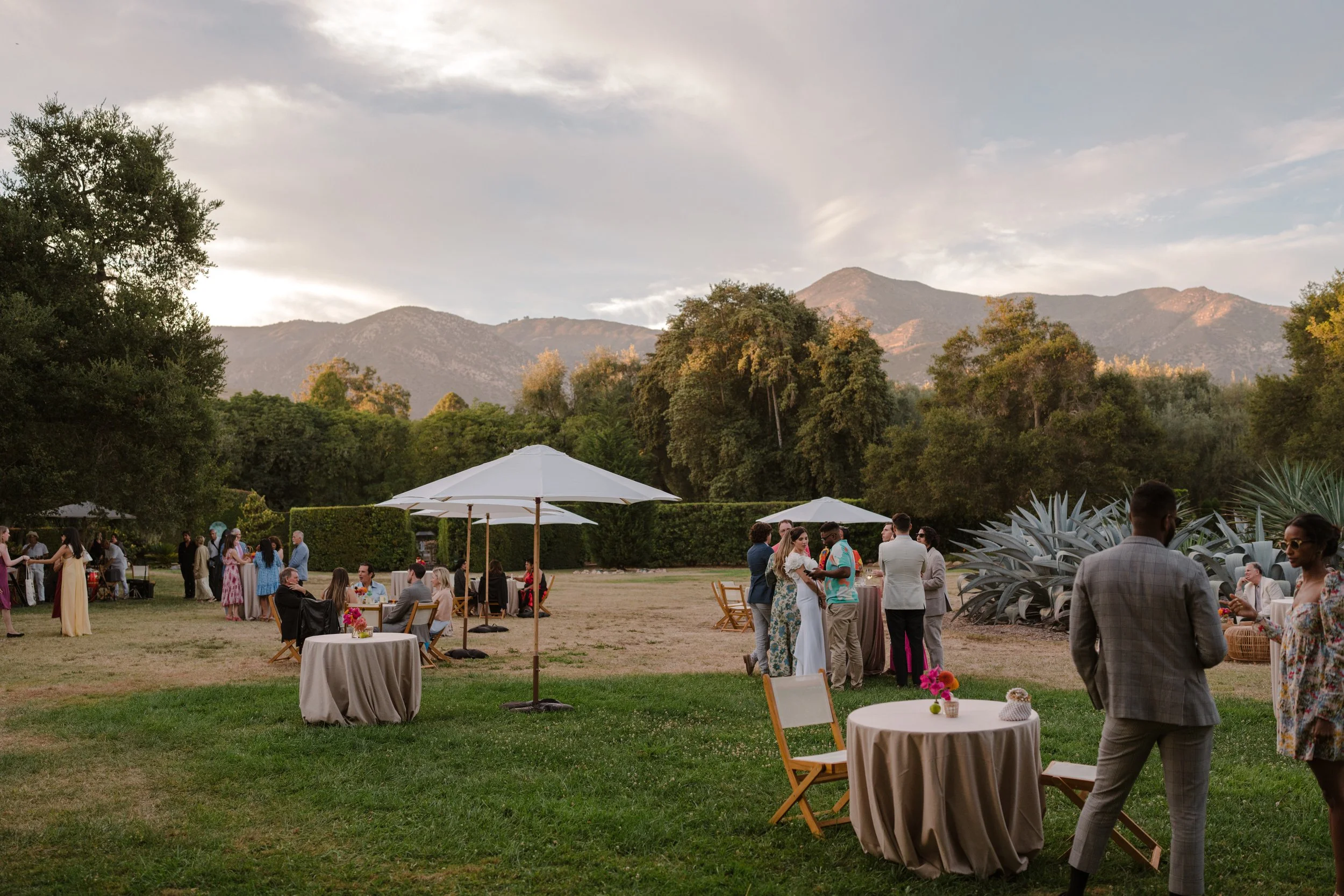
ANSWERS #005
It All Begins Here
Q. Am I giving too much information on my wedding invitations?
A. There’s no such thing as too much info, just too many inserts and a chaotic main invite.
The goal is to be helpful without overwhelming your guests or your budget. Here’s how to strike the balance:
Use a Website for the Fine Details — Include a main invitation, RSVP card, and a details card. The details card should direct guests to your website, where all the logistics live (transportation, dress code, parking, FAQs, etc.). You do not want the main invite to look crowded, so keep it streamlined.
Consider Your Guest Demographic — If you have older guests or those less likely to go online, it’s worth adding more printed details. If your crowd is tech-savvy, keep the card simple and rely on the website and maybe even consider an online RSVP to save yourself some paper and some stamps.
Be Strategic About Hotel Info — You can’t force people to book your room block, but you can make it convenient. Tell them where the shuttle pick-up is and note that they’ll need to get themselves there if they stay elsewhere.
Watch Your Printing Budget — If you’re doing letterpress or other premium printing, more pieces mean more money. Streamline where possible and put extra details online. You might also consider saving the pricier printing for the main invite onlyl.
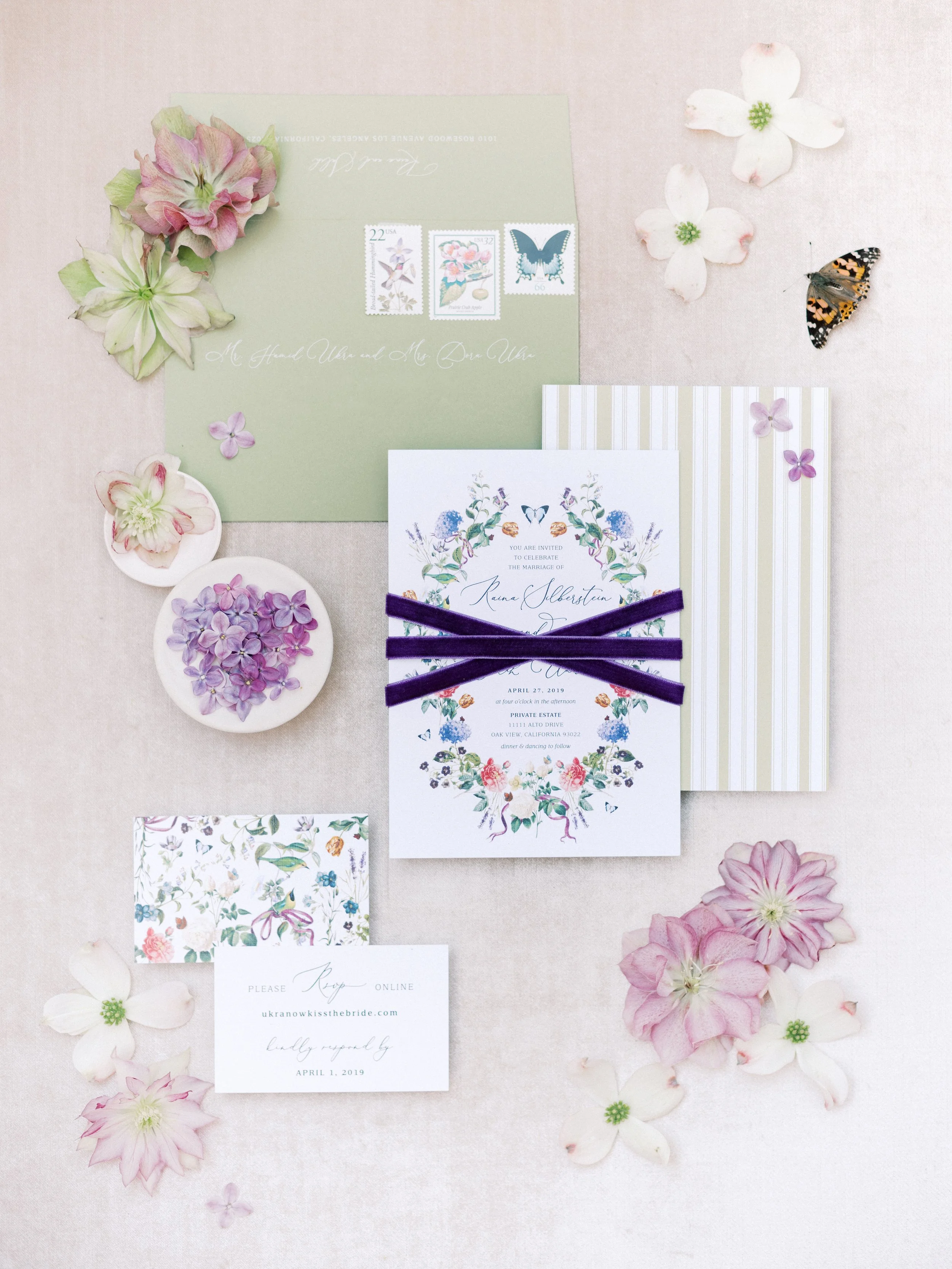
Photo by Beatrice HowellQ. Should we have the photo booth during cocktail hour and the reception, or just the reception?
A. Reception only, and here’s why.
Photo booths are fun, but they’re billed by the hour. To get the most value, here’s how I recommend timing it:
Reception Only — This is when guests are more relaxed, more likely to use it, and already in the party mindset.
Set It Up Before Dinner — If the booth is in the same space as dinner and dancing, it must be set up before guests enter. You don’t want someone wheeling in a backdrop during toasts.
Avoid Paying for Inactive Time — If you start during cocktail hour, you’re paying for hours when the booth is barely used (people often aren’t ready to jump in until after a drink or two). Plus, you risk guests leaving dinner during speeches to go take pictures.
Consider the Layout — If the booth is in a separate room, it can be set up during dinner, just make sure it’s ready to go once dancing starts.
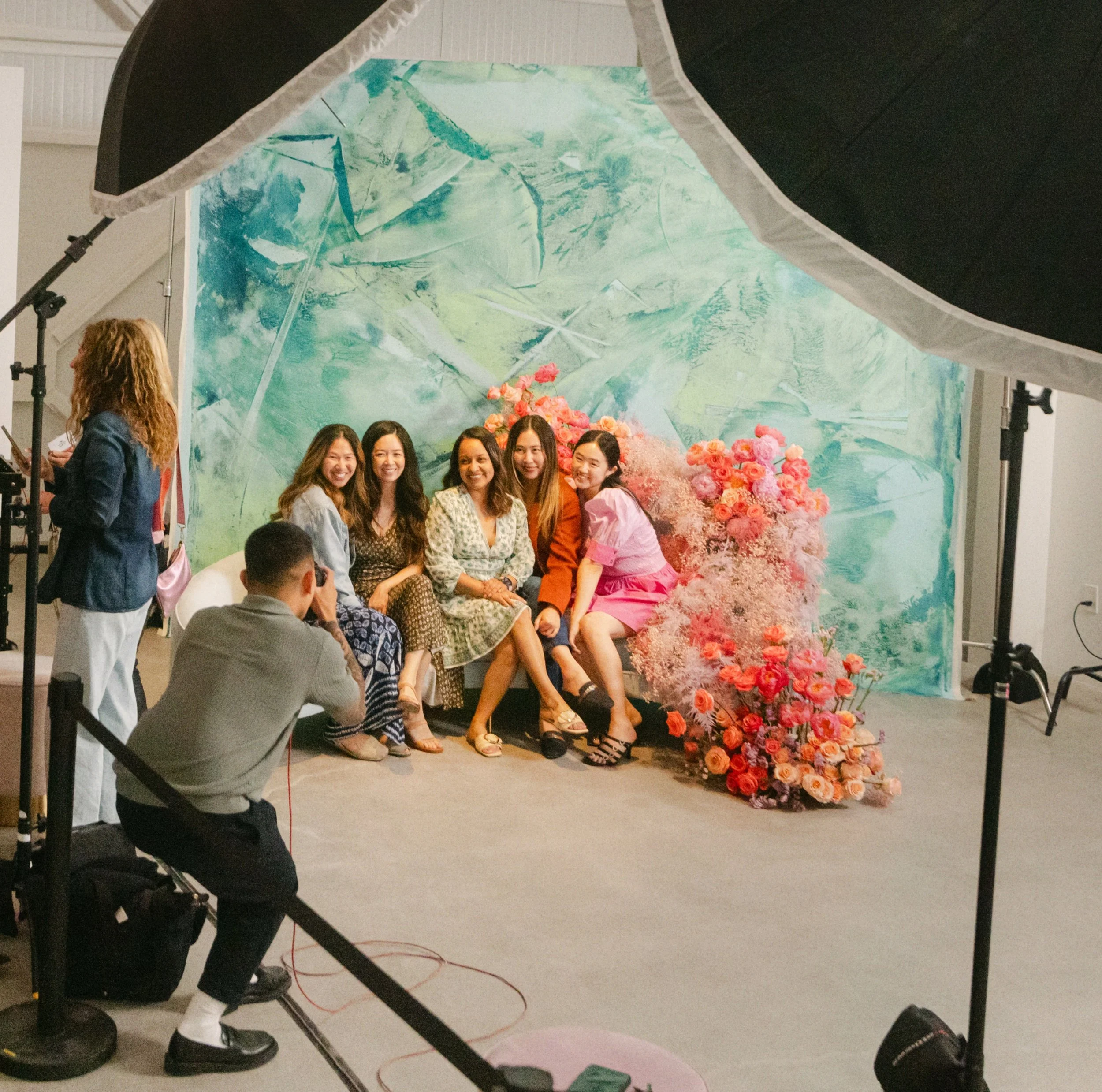
Photo by For The PhotoQ. The ceremony venue I love is only available from 12–2 PM, but I want a proper evening dinner. What should I do?
A. Embrace the gap, just like generations of religious weddings have —If your dream venue only offers midday hours, that doesn’t mean you’re stuck with a brunch wedding. Here’s how to make it work:
Build in a Longer Break — Plan your reception for 5 or 6 PM. That gives guests time to relax, change, or explore…especially if they’re local or staying at a nearby hotel.
Use the Time Wisely — You and your wedding party can take photos, freshen up, or even grab a bite before the reception. That pause between events can be a gift.
Help Guests Fill the Time — Include ideas in your wedding weekend guide or website: coffee shops, local attractions, scenic walks, or nap-friendly hotel recs.
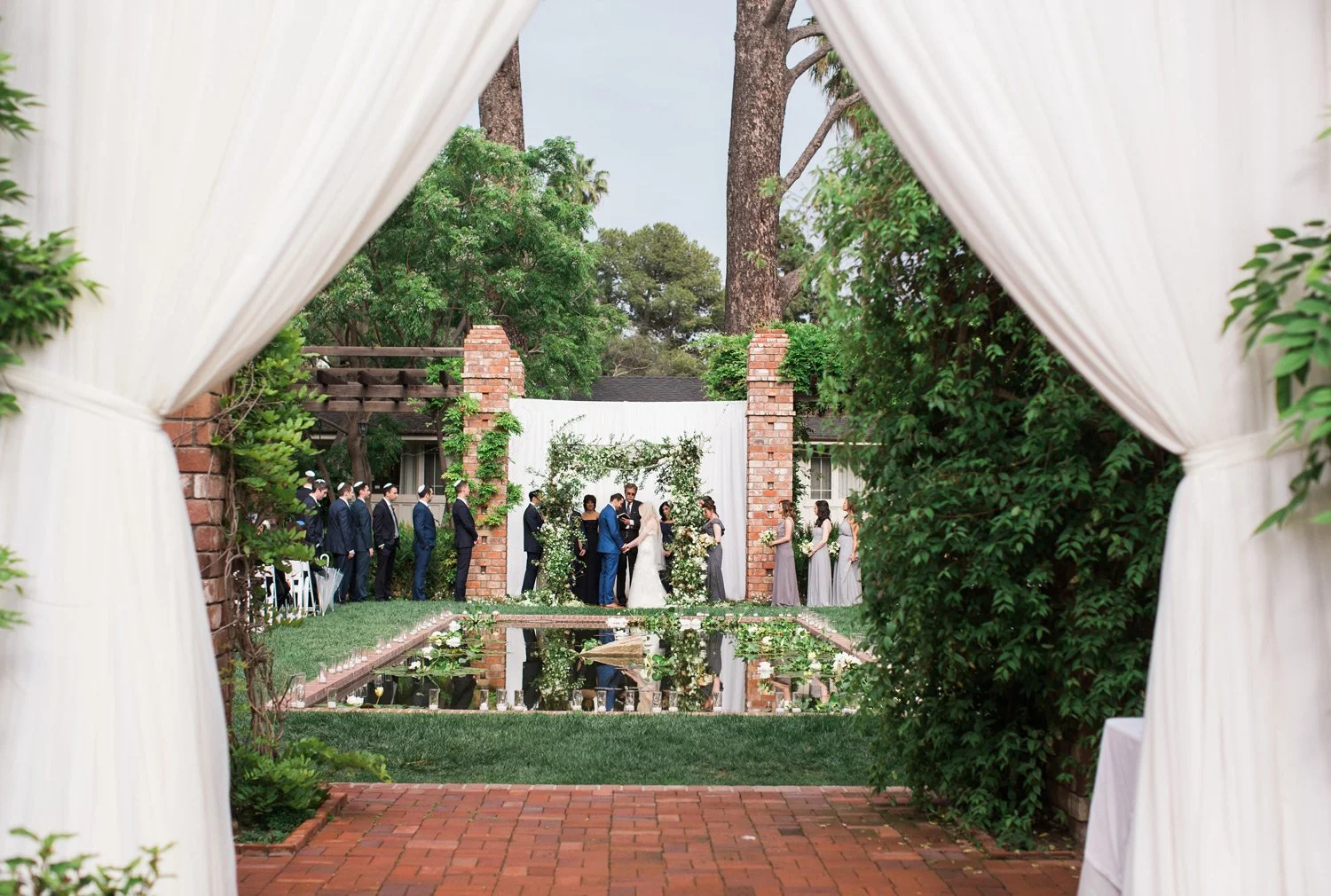
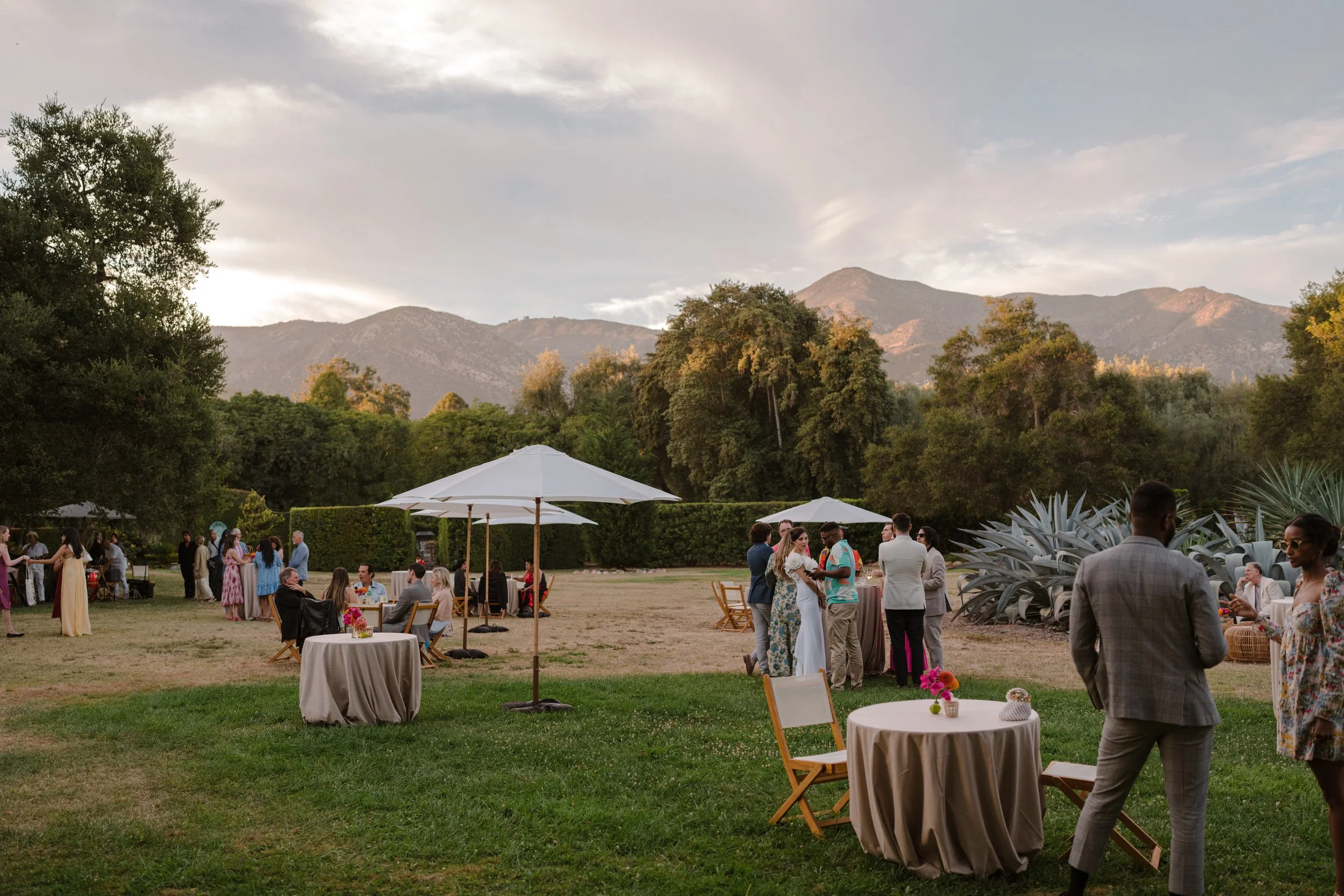
Photo by Annie McElwain and Raya CarlisleQ. Should we do welcome drinks from 5–7 PM before the rehearsal dinner? A. No, flip it. Dinner first (or separately), then welcome drinks later. Here’s why I don’t recommend a 5 to 7 PM welcome event for all guests: Guests are still arriving Many people will be flying or driving in that day, checking into hotels, and just getting settled. Expecting them to make a 5 PM event is unrealistic and stressful. Better Flow = Drinks After Dinner Host your rehearsal dinner for your VIPs (wedding party, immediate family) earlier in the evening, then open things up for welcome drinks and dessert from 7 to 9 PM or 8 to 10 PM. With this schedule everyone has time to arrive, freshen up, maybe grab dinner, and then join you. It Feels More Inclusive A later event means more guests can actually join and feel welcomed, instead of rushing or missing out altogether.
Photos by Olivia Rae James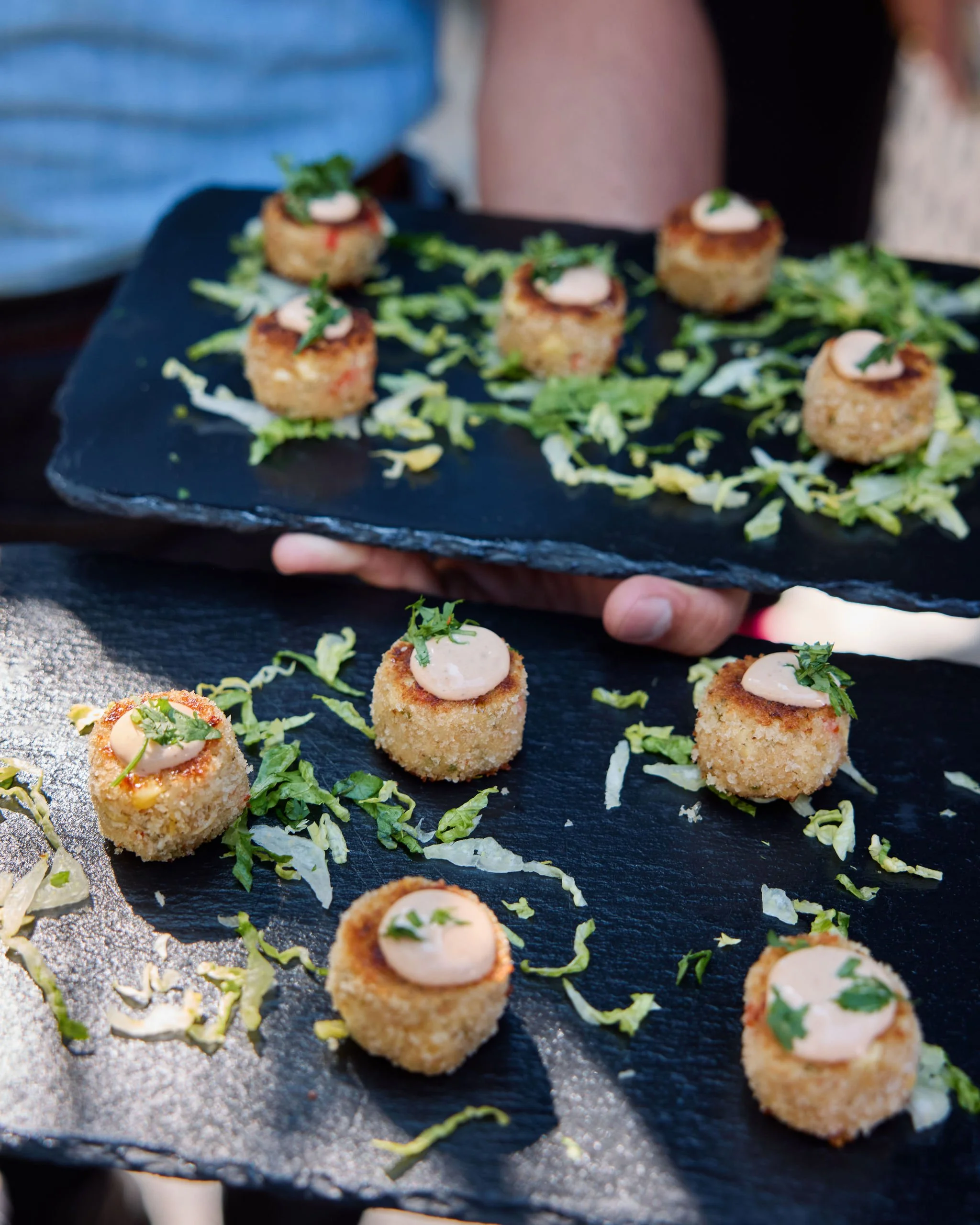
ANSWERS #004
It All Begins Here
Q. Should all of your single guests get a plus-one?
A. No ring, no bring—and I stand by it.
Weddings are expensive, and your guest list should reflect the people who truly matter to you. Here's how I break it down:
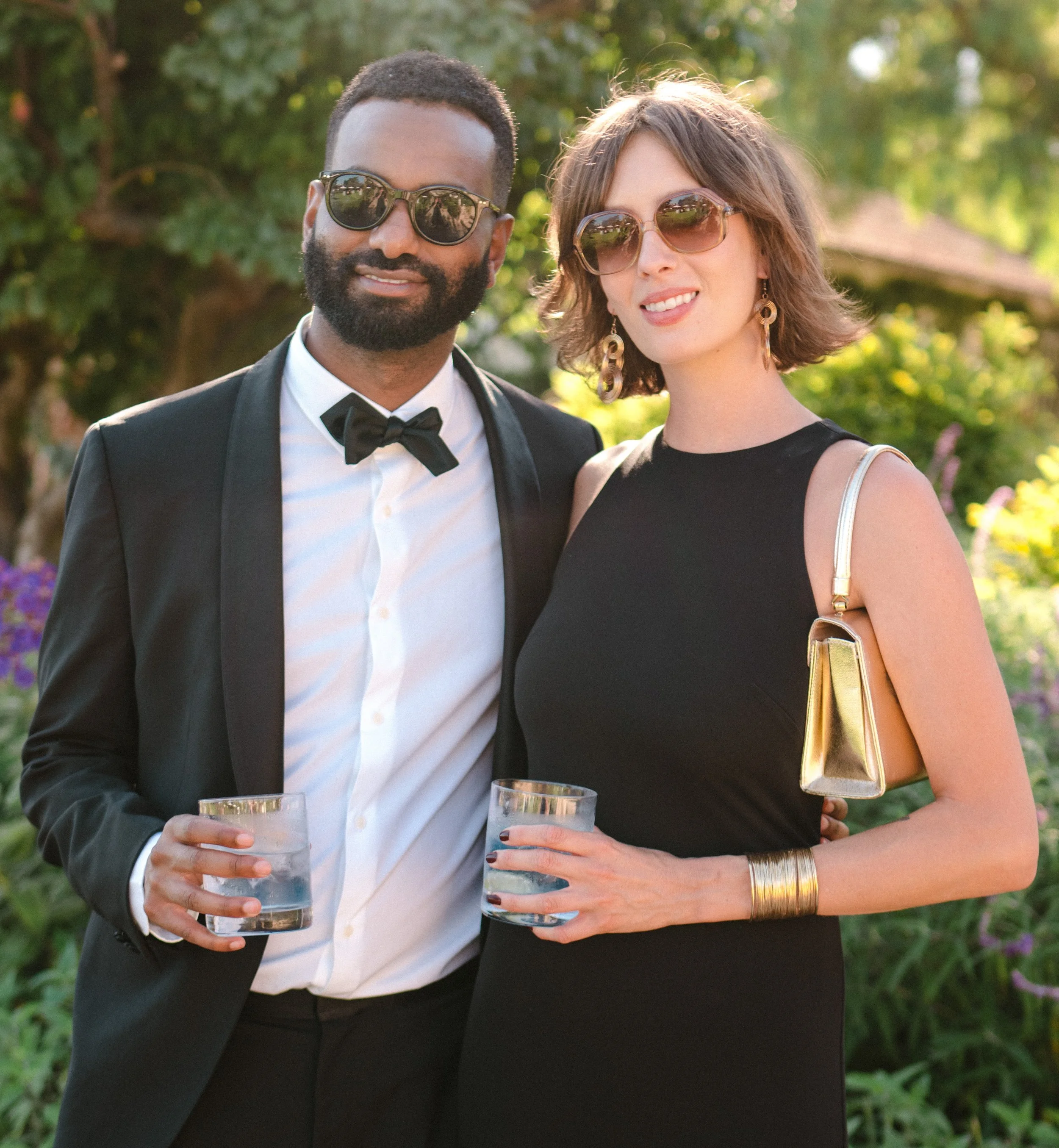
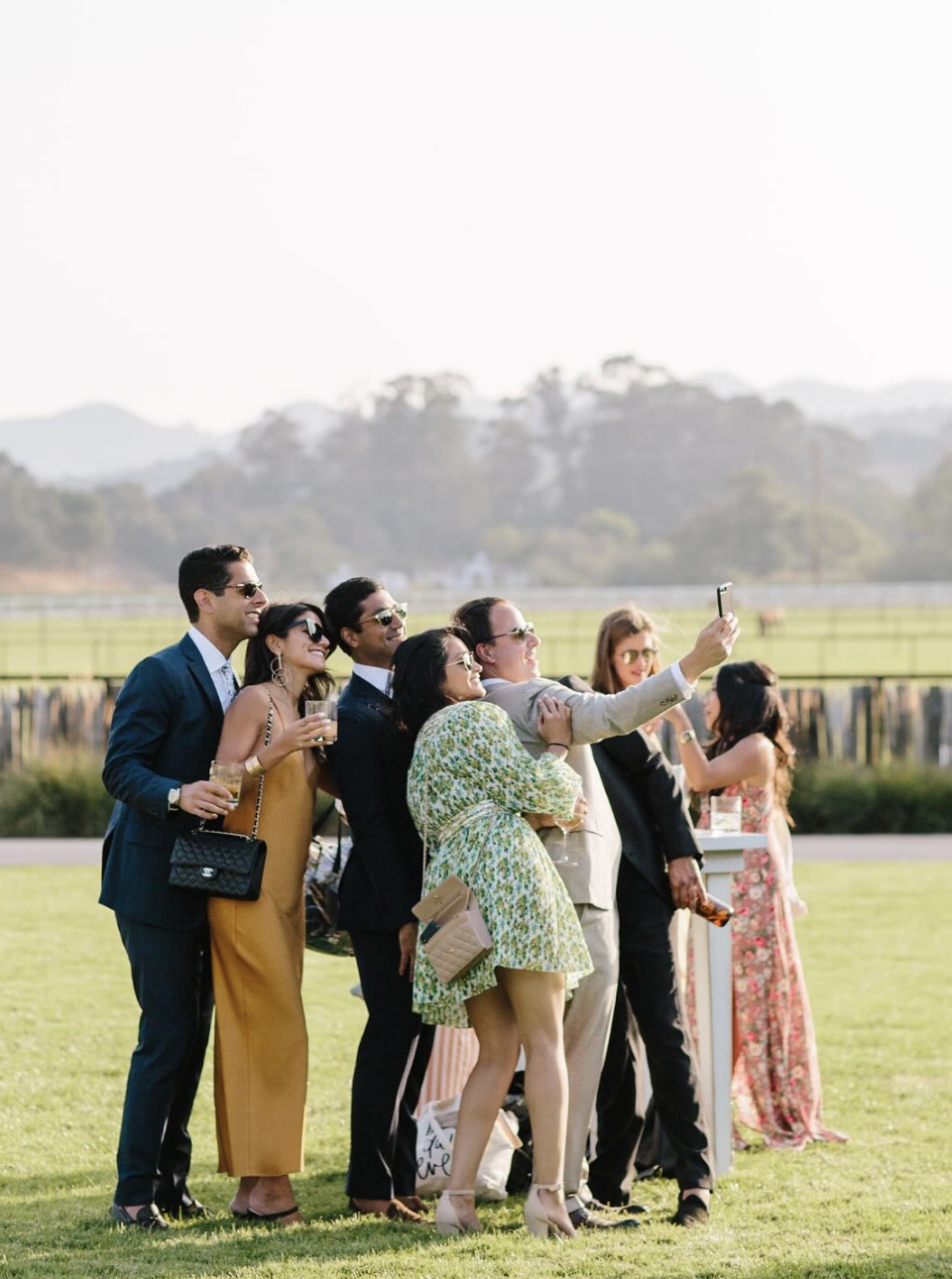
Serious Partners Count — If someone is living with a partner, in a long-term relationship, or you consider them life partners (even if not married), they get the invite, so we are not being literal with the ring part of the phrase….
Casual Dates Don't — If your friend is seeing someone you’ve never met, haven’t double-dated with, or it’s only been a couple of months? That person doesn’t need to be in your wedding photos for the rest of time.
Exceptions Exist — If your best friend lives abroad and you haven’t met their serious partner for logistical reasons, of course make the exception. But proximity matters…if they live near you and you’ve never met the person, they probably shouldn’t be at your wedding.
Tight Budget or Not — Even couples with unlimited budgets often want their guest list to reflect meaningful relationships. It’s not just about the money here, it’s about the intention.
Photos by Olivia Rae James and Annie McElwainQ. How many passed appetizers should I order for cocktail hour?
A. More than you think—and make them count.
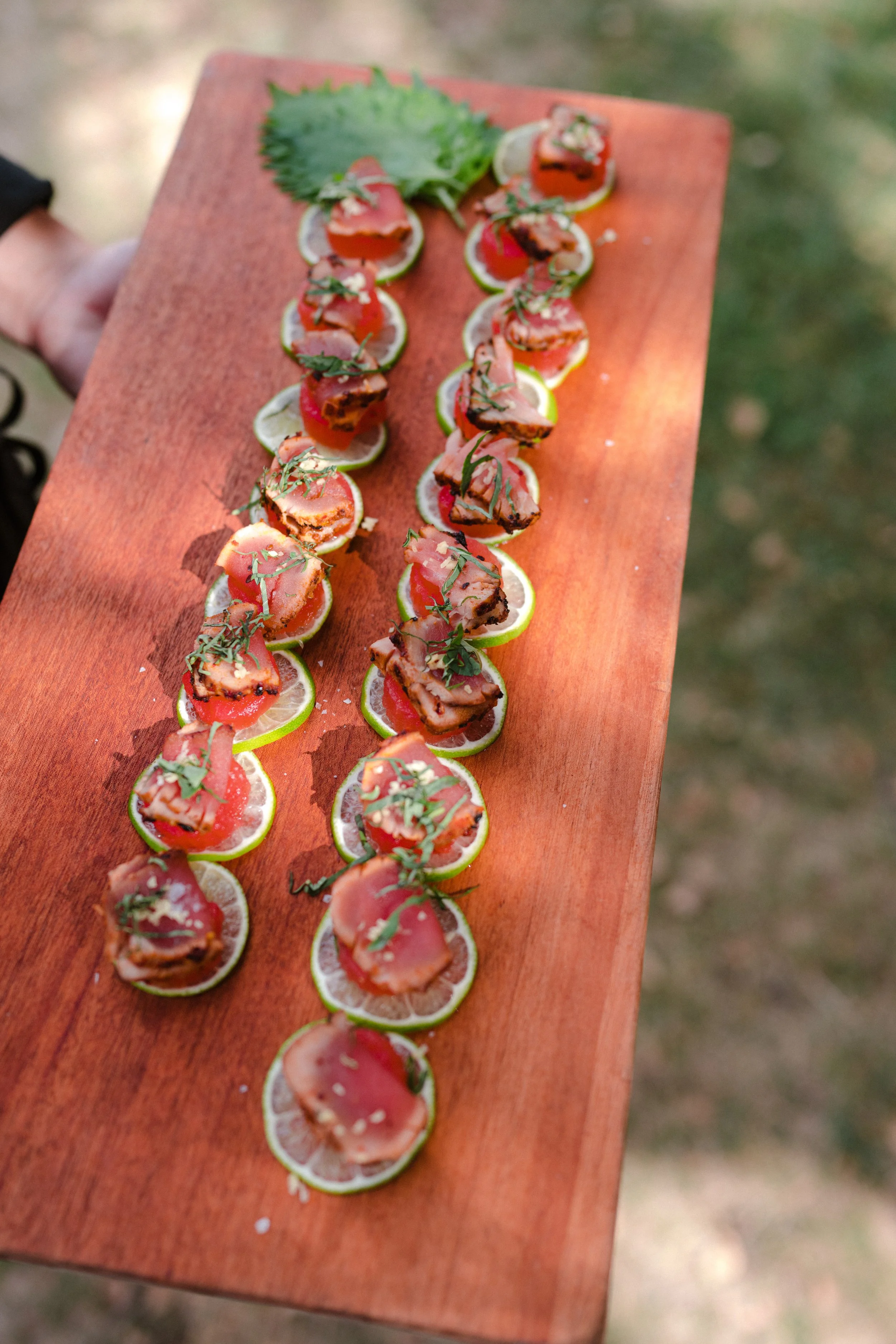
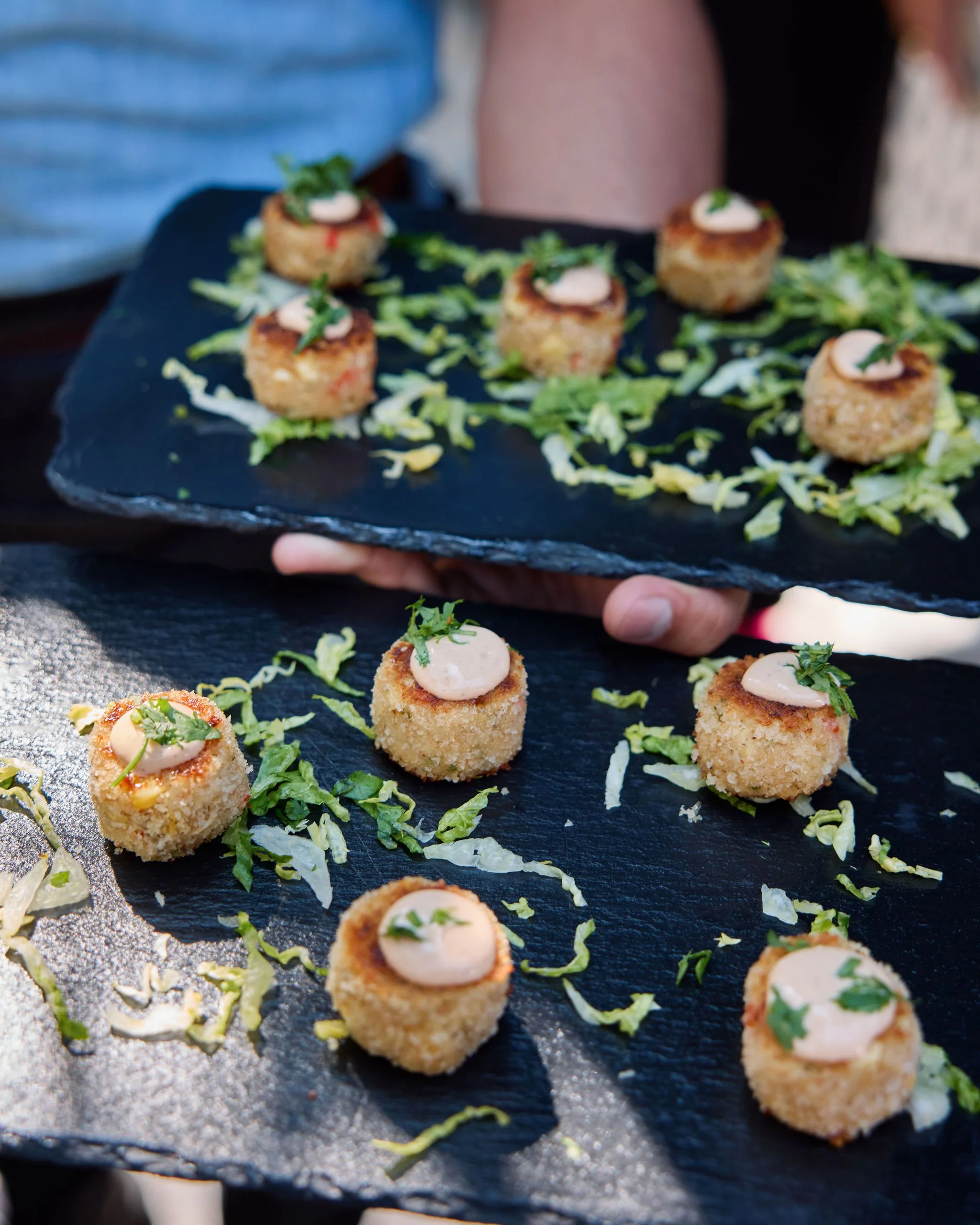
Many sources say 2–4 bites per guest for a one-hour cocktail hour. I disagree. People are hungry, and two isn’t enough. You should offer a variety. Remember people might want to try one of each; I like at least 3 types unless you have a grazing table, in which case you might have 2 types. Here’s how I recommend approaching it:
Aim for at least 3–5 per guest for a standard cocktail hour. If you’re not serving a big meal afterward or your cocktail hour is longer, go higher—think 8–10 per person.
Consider what’s next — If guests are heading straight into a full dinner, you can be a little lighter. If dinner is delayed or there’s no seated meal, then you should have a more robust offering.
Offer variety — Think about dietary needs and preferences:
Something hearty (sliders, chicken skewers, meatballs)
A vegetarian or vegan-friendly option
A fried bite (but not all fried bites)
Be cautious with seafood and shellfish—great as one option, but not for your whole lineup since many people are allergic (myself included)
Photos by Olivia Rae James and Beatrice HowellQ. How do you feel about daytime weddings?
A. They can be beautiful, relaxed, and cost-effective—as long as they fit your vibe.
If you’ve found an incredible venue with a morning-to-afternoon time slot, don’t write it off. A daytime wedding can be just as memorable as an evening one. Here’s why:
Lower Bar Tabs — Guests are less likely to down martinis at noon. You can keep it light with brunch cocktails like mimosas, Bloody Marys, rosé, and refreshing spritzes.
Brunch or Lunch Menus — Brunch-style food can often be more affordable and fun—think seafood, fresh salads, or a twist on classic breakfast favorites.
Chill Vibe — A toes-in-the-sand ceremony, sunshine, and a jazz trio or string quartet? Perfection. Want something livelier? Go for a pool party feel with a DJ.
Less Pressure to Party All Night — Daytime events usually wrap up earlier, which means less stress about high-energy dance floors or late-night logistics.
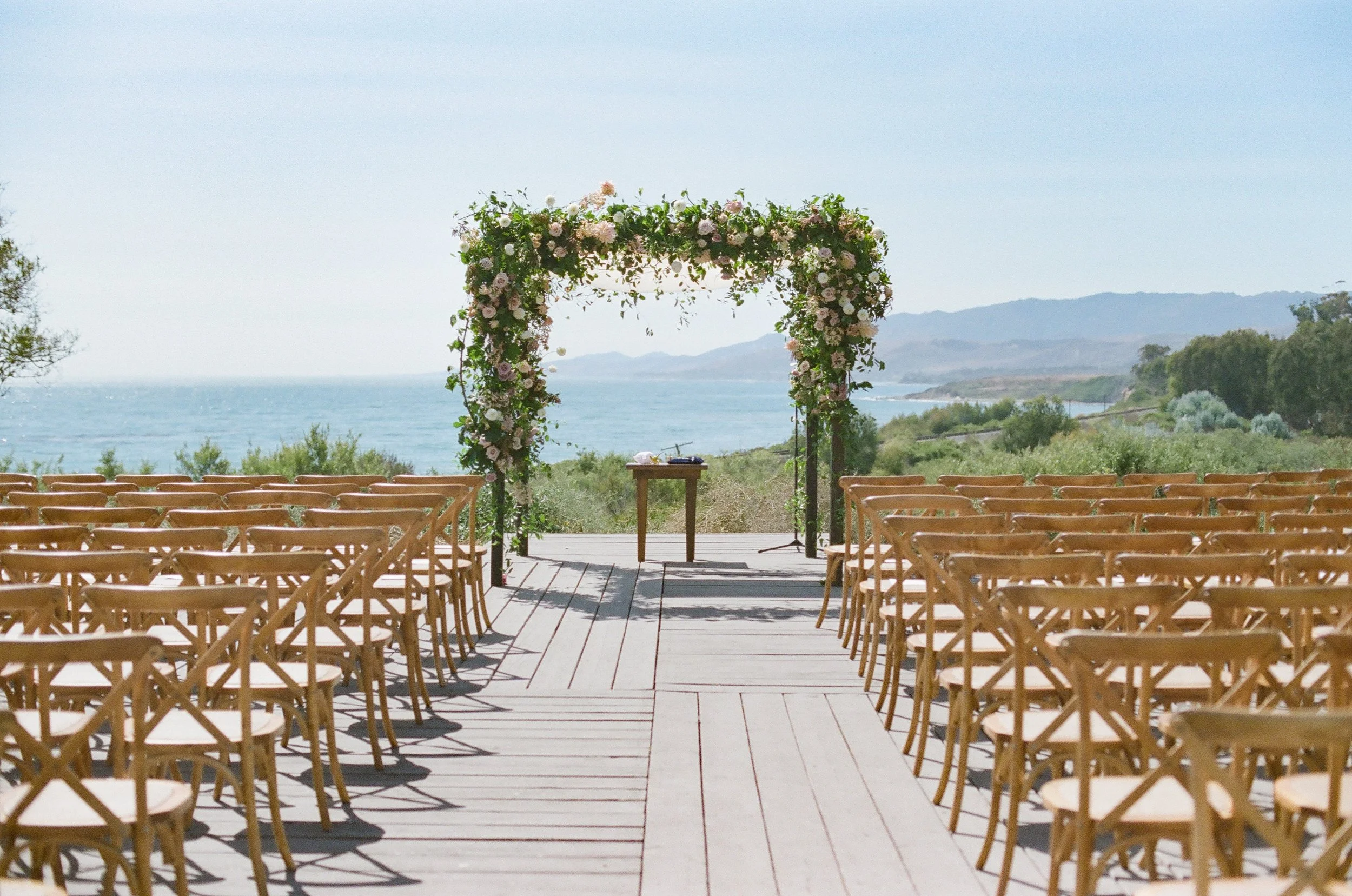
Photos by Birds of a FeatherQ. Is a second shooter necessary if I’m having a small wedding?
A. If you care about your photos—yes. Even for 50 guests.
It’s not just about guest count…it’s about what you want captured. Here’s when a second shooter really matters:
You’ve put effort into your details — Whether you spent thousands or DIY’d everything, if your details matter to you, you’ll want them photographed. The main photographer is often busy with portraits during that time, so the second shooter handles detail shots.
You didn’t do a first look — The main photographer may be with you doing portraits during cocktail hour, so a second shooter is the one capturing guests mingling and the reception space fully set.
You want multiple angles — Different vantage points during the ceremony or dancing can make a big difference in the final album.
Your venue is spread out — If the ceremony, cocktail hour, and reception are in separate locations, one photographer simply can’t cover everything at once.
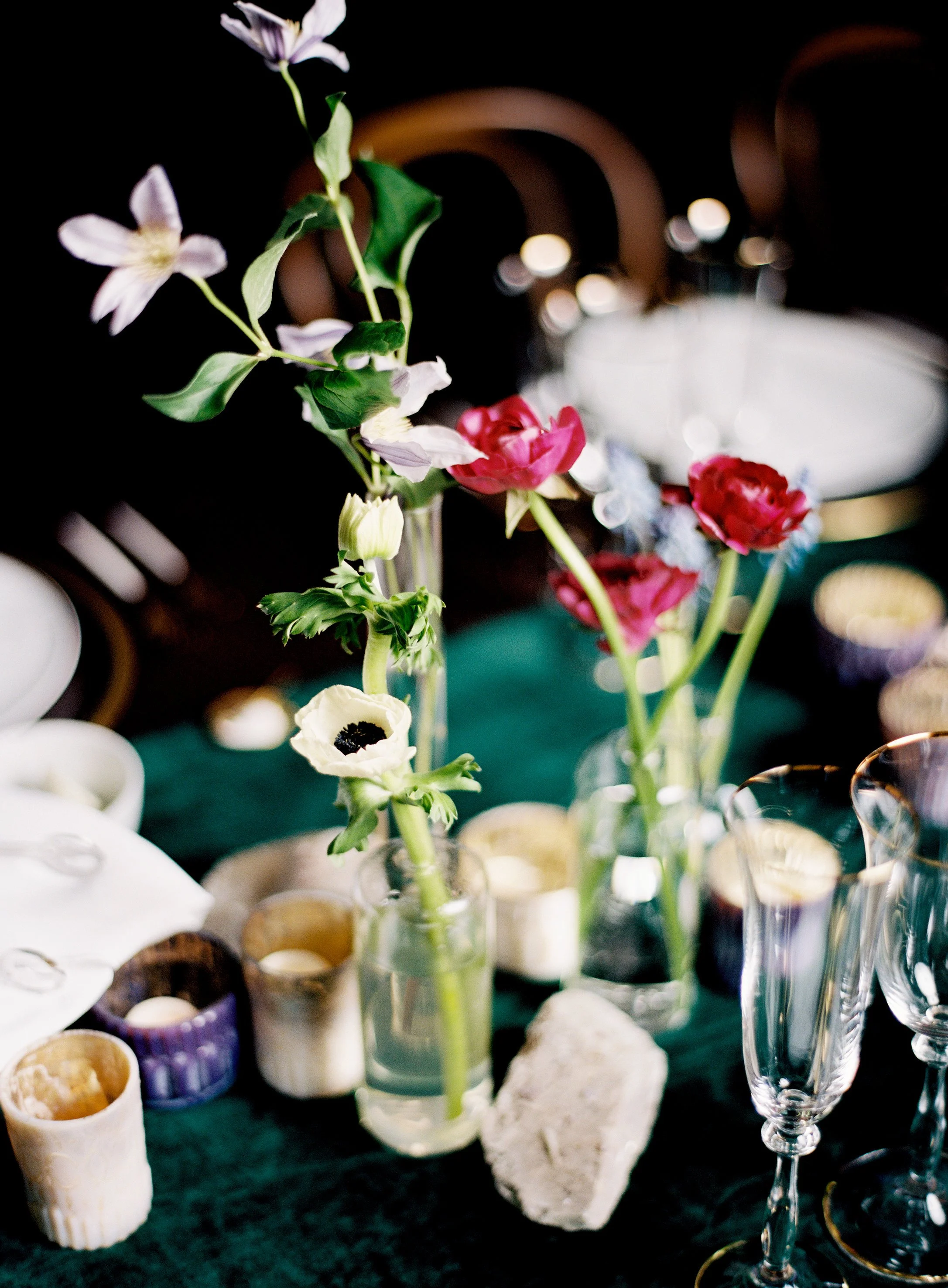
Photos by Clark Brewer and Raya Carlisle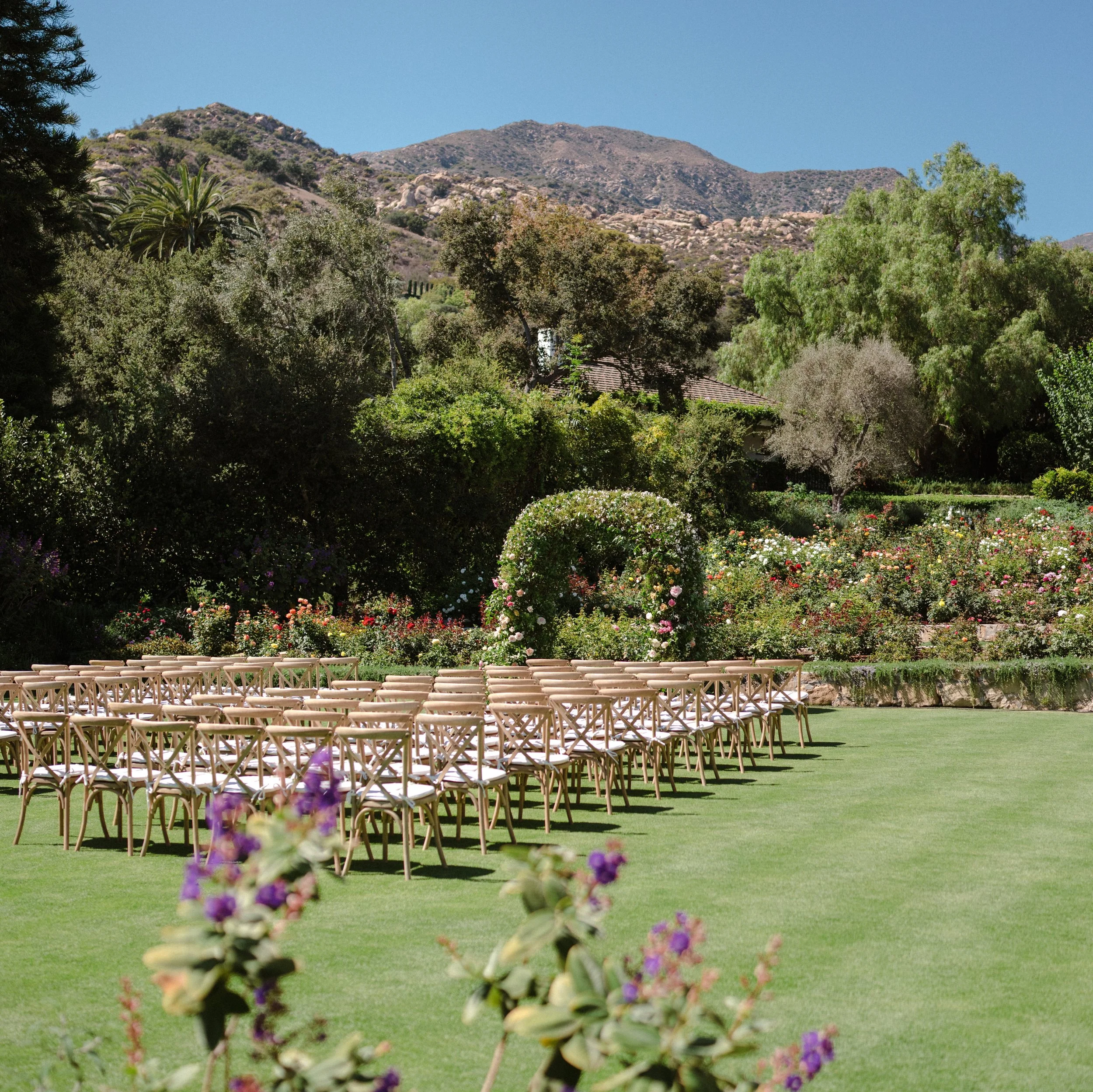
ANSWERS #003
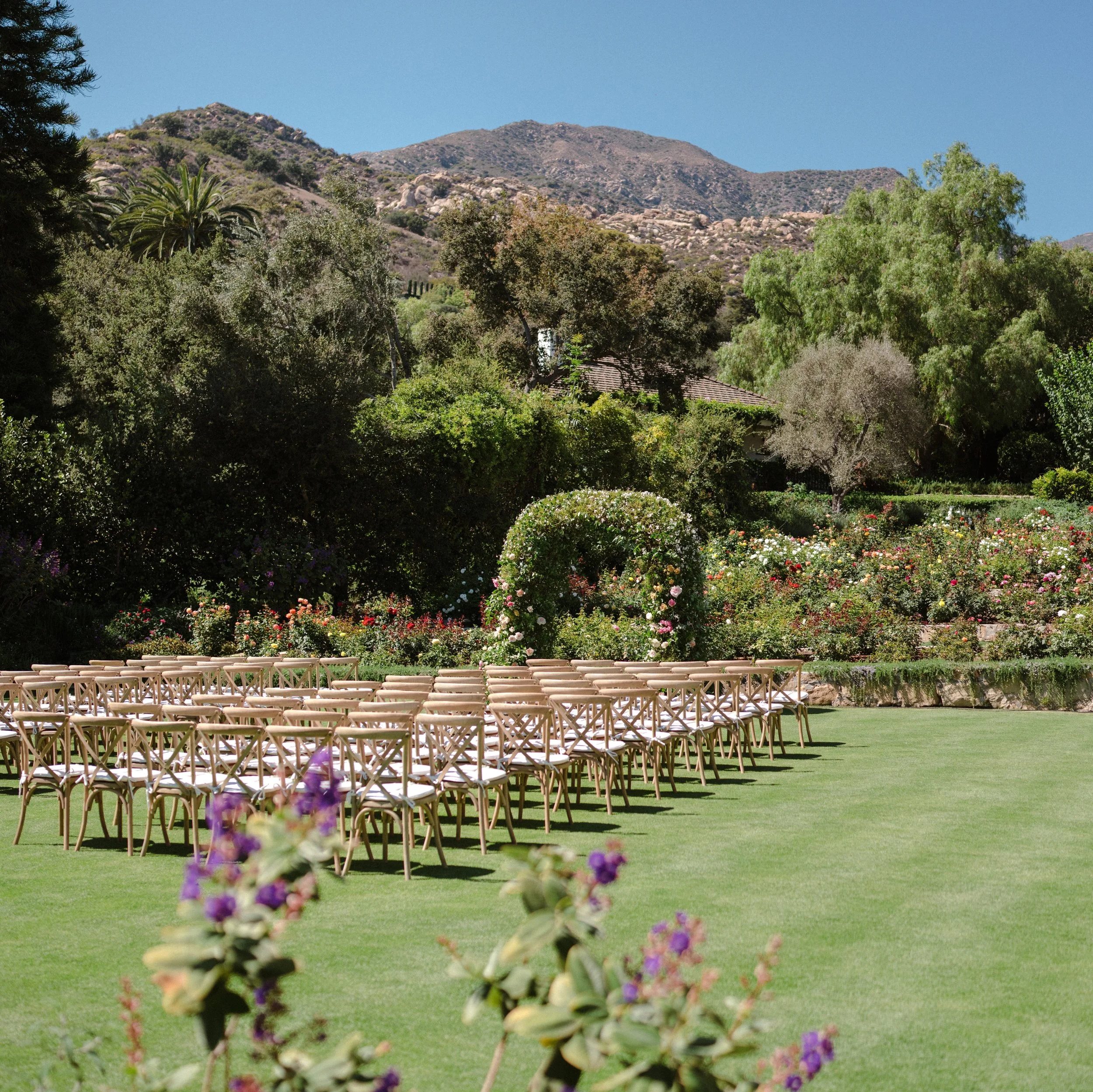
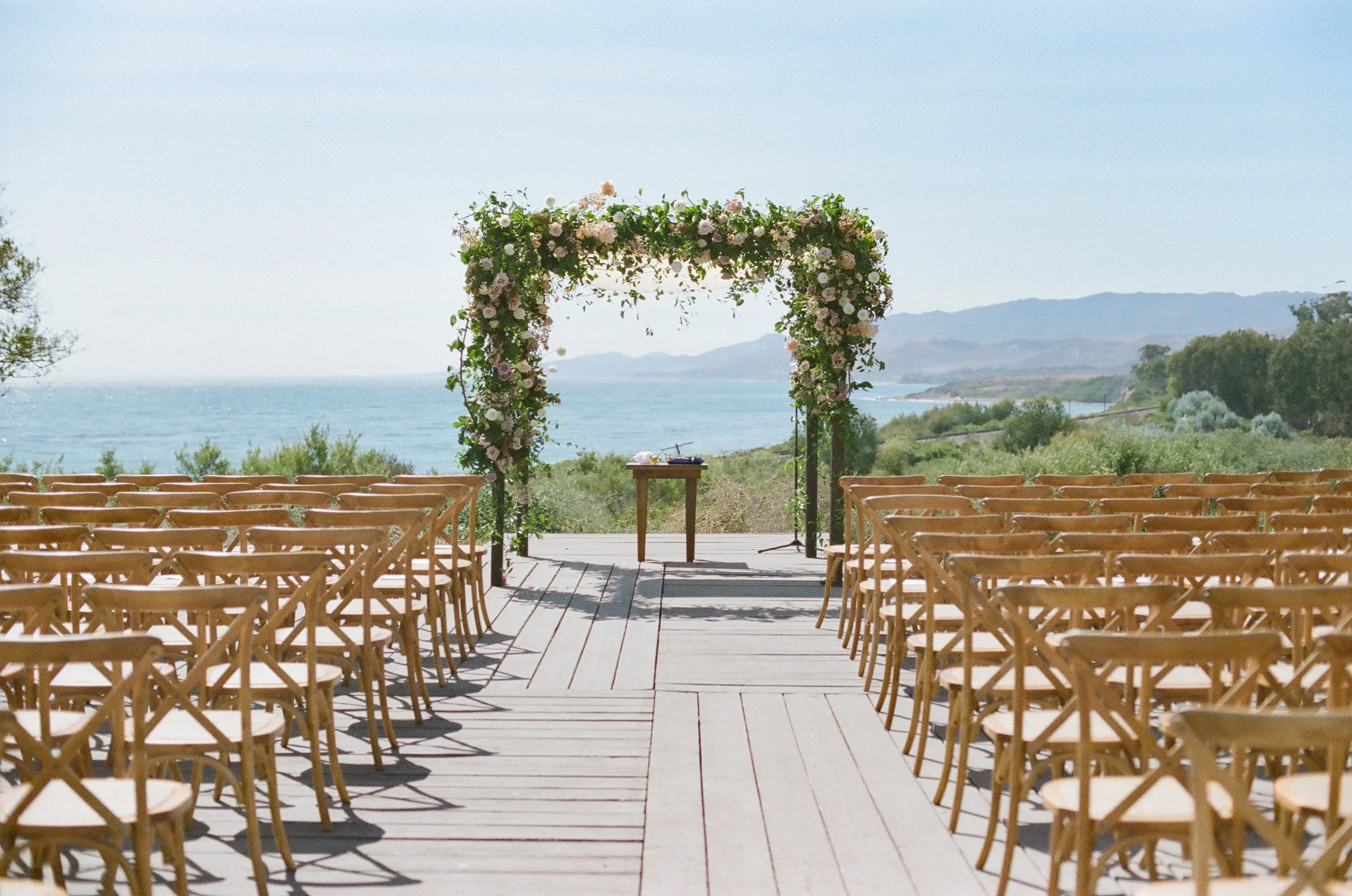
Q. Is it a good idea to move ceremony chairs to the reception?
A. It depends on logistics, staffing, and timing.
Reusing ceremony chairs for dinner can save money, but it requires careful planning. Here’s what to consider:
Logistics Matter — Where is your ceremony in relation to the reception? If chairs have to be carried through the cocktail hour, it may disrupt the flow of your event.
Staffing Fees — Caterers or venue staff may charge a fee to move chairs, as this takes servers away from their duties during cocktail hour.
Chair Type — This only works with lightweight, foldable chairs. Large or heavy chairs make the transition impractical.
Photography Timing — Your photographer needs to capture reception detail shots during cocktail hour. If chairs aren’t set in time, it could impact those photos.
If you’re considering this, communicate early with your venue, rental company, and photographer. A smooth transition requires coordination and a clear timeline.
Photos by Raya Carlisle and Birds of a FeatherQ. What do I need to have for a black tie wedding?
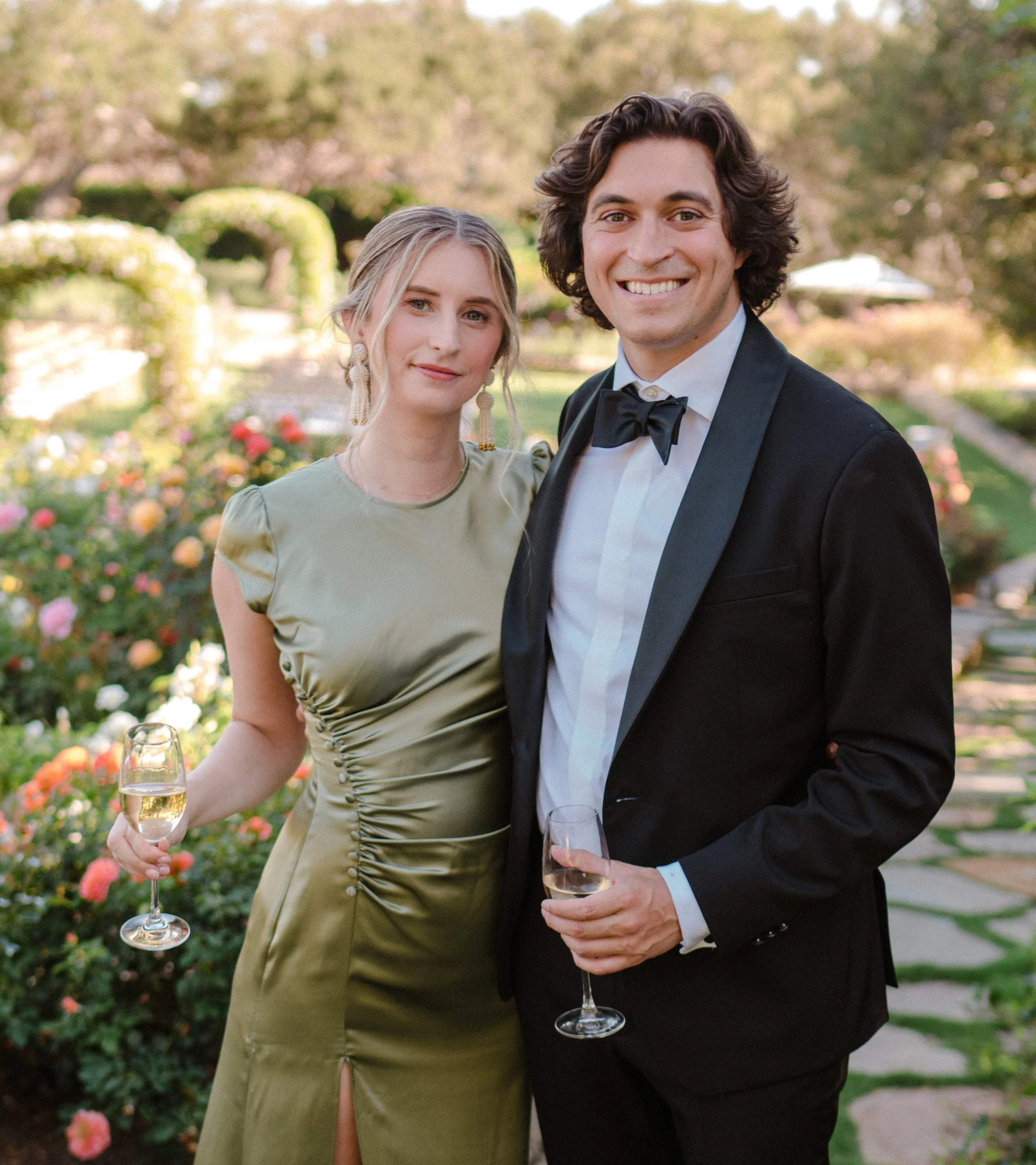
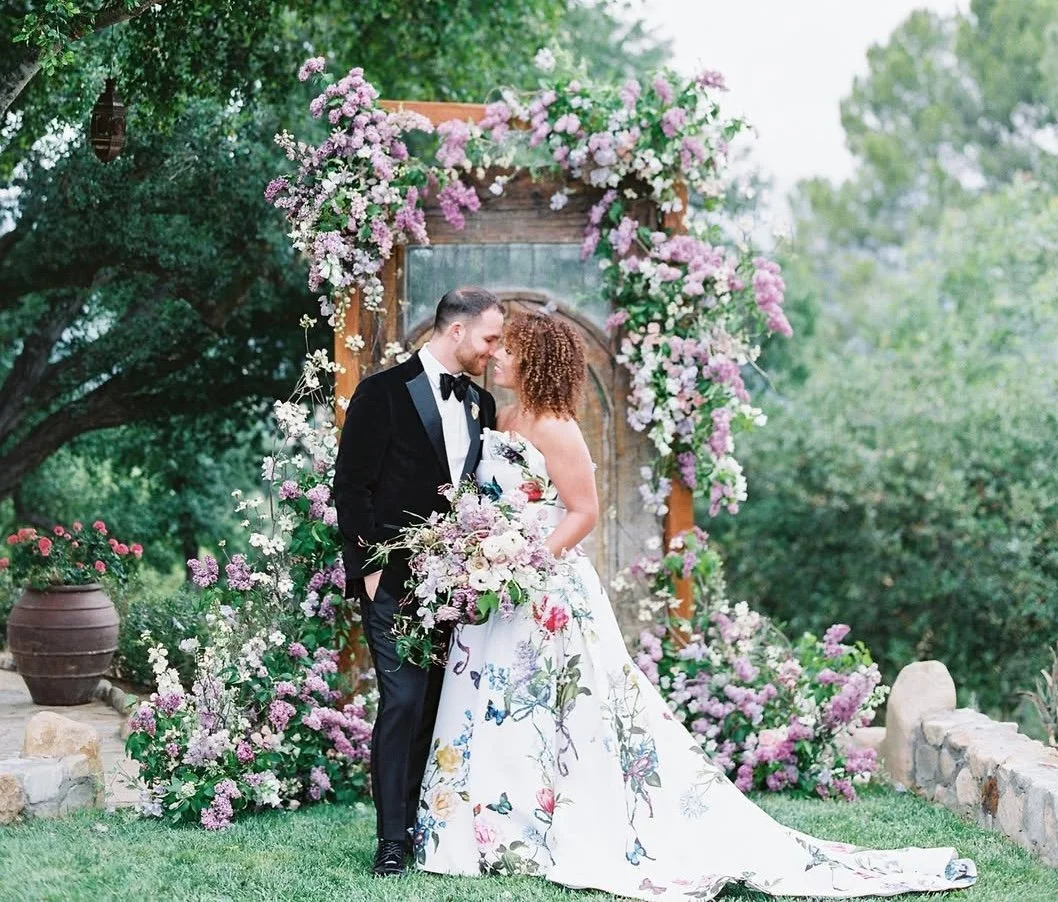
A. It’s less about rules and more about the guest experience.
Tradition says black tie weddings require a plated dinner, live music, and a formal venue—but today, it’s really about creating a luxurious, seamless experience for your guests. Here’s what truly matters:
High-Quality Dining — A plated dinner is the classic choice, but upscale family-style service can work too—just make sure it feels elegant.
Great Music — Live bands are common, but an experienced, high-end DJ can be just as impactful.
Guest Comfort — If guests are expected to dress formally, the experience should match. Think valet parking, an elevated cocktail hour, and attentive service.
Seamless Service — No long bar lines, no confusion. Ample staff, clear signage, and a well-run event make all the difference.
Black tie is about attention to detail, not just tradition. Focus on making your guests feel taken care of, and you’ll get it right.
Photos by Olivia Rae James and Beatrice HowellQ. Is guest transportation necessary for a wedding?
A. It depends on your venue, but in many cases, it’s a smart (or required) choice.
Here’s how to decide:
Check Venue Requirements — Some venues, especially private estates, require guest transportation since they don’t allow general parking. Others have vehicle restrictions, meaning only certain shuttles or vans can be used.
Choose the Right Vehicles — If the venue has weight limits (common on farms or ranches), you may need smaller shuttles or sprinter vans instead of full-size buses.
Plan for Round Trips — Guests need a way back, so budget for two-way transportation. Shuttles typically require a multi-hour minimum, so plan accordingly.
Think About VIPs — Consider if family and the wedding party need separate, earlier transportation for photos.
Factor in Accessibility & Experience — Long trips may require restrooms on board, and some areas (like Malibu canyons) are unsafe for guests to navigate on their own at night.
Make It Fun & Budget-Friendly — Local trolleys, school buses, or unique vehicles can add charm while keeping costs down.
If the venue makes it difficult for guests to drive, or if Ubers are unreliable in the area, providing transportation ensures safety, convenience, and a smooth event.

Photo by Olivia Rae JamesQ. Is it ok to upgrade the table setting for the sweetheart or bridal party table?
A. No, it’s smart—and a great way to elevate your design while staying within your budget.
If full table settings for every guest feels overwhelming, focusing on the head table is a perfect compromise. Here’s how to do it right:
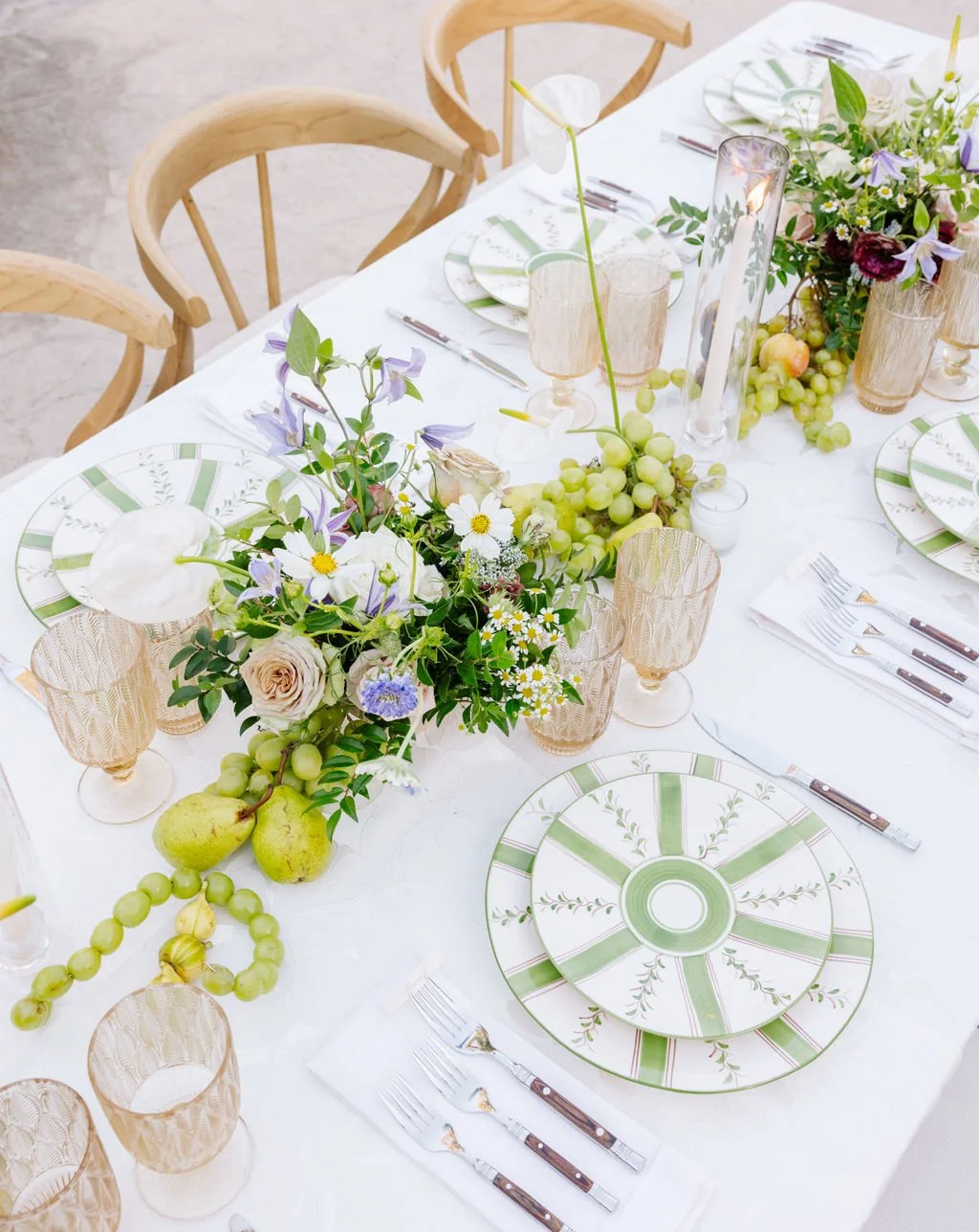
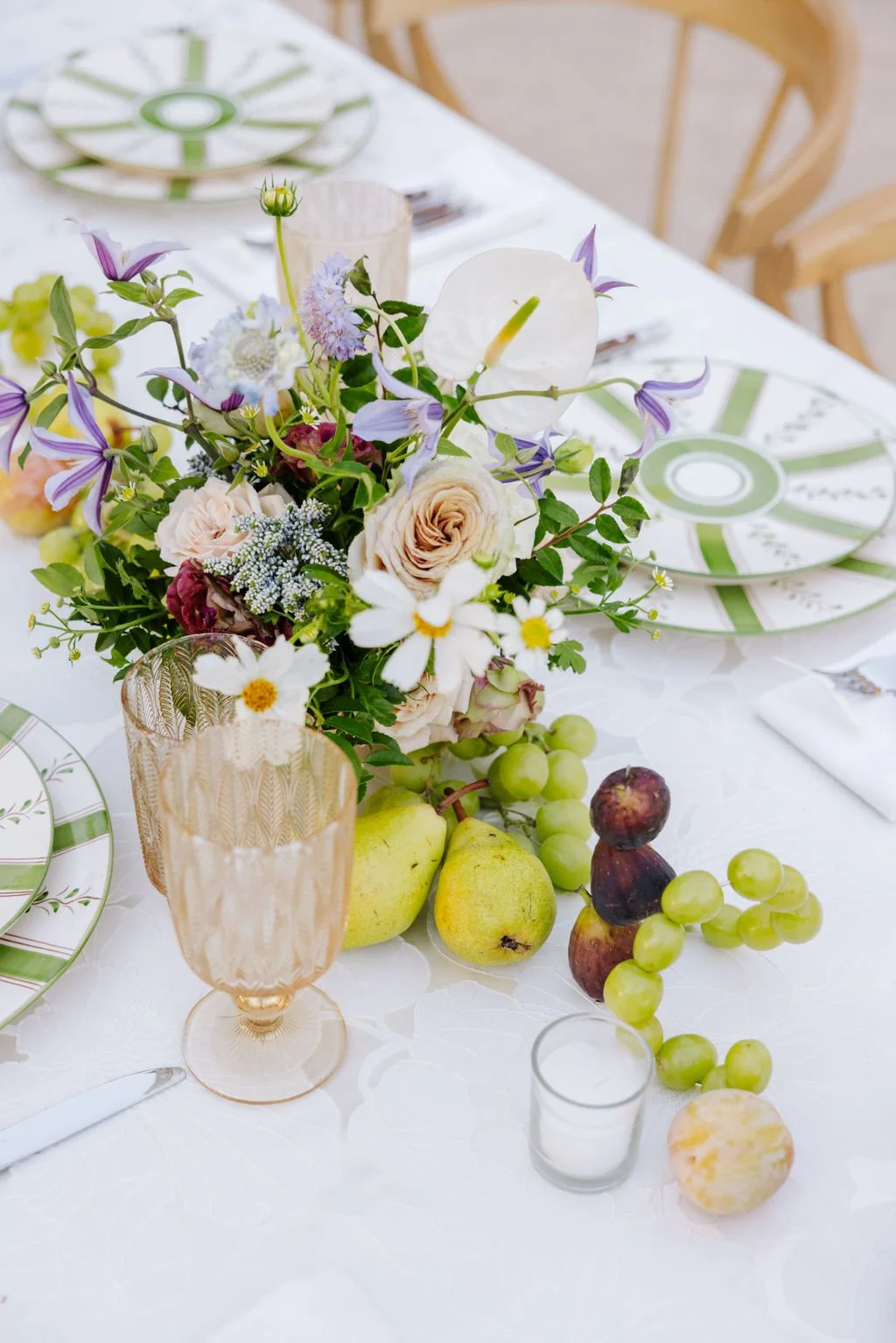
Keep Some Consistency — All tables should have a cohesive look, but the head table can have extra details like chargers, floral accents at each setting, or a unique salad plate.
Avoid Jarring Differences — Stick with the same flatware, glasses, and main dinner plates for all guests so the difference is subtle but impactful.
Budget-Friendly Impact — If a fully designed tablescape is too costly for every table, upgrading just the head table gives that “wow” factor where it matters most.
This approach keeps the design elevated without overspending and ensures your most-photographed table stands out beautifully.
Photos by Raya Carlisle
ANSWERS #002
Q: How can I make things easier for my wedding coordinator when I have a lot of purchased and DIY items?
A: For those of you who are going with the wedding coordinator route, here’s how to keep things organized and stress-free:
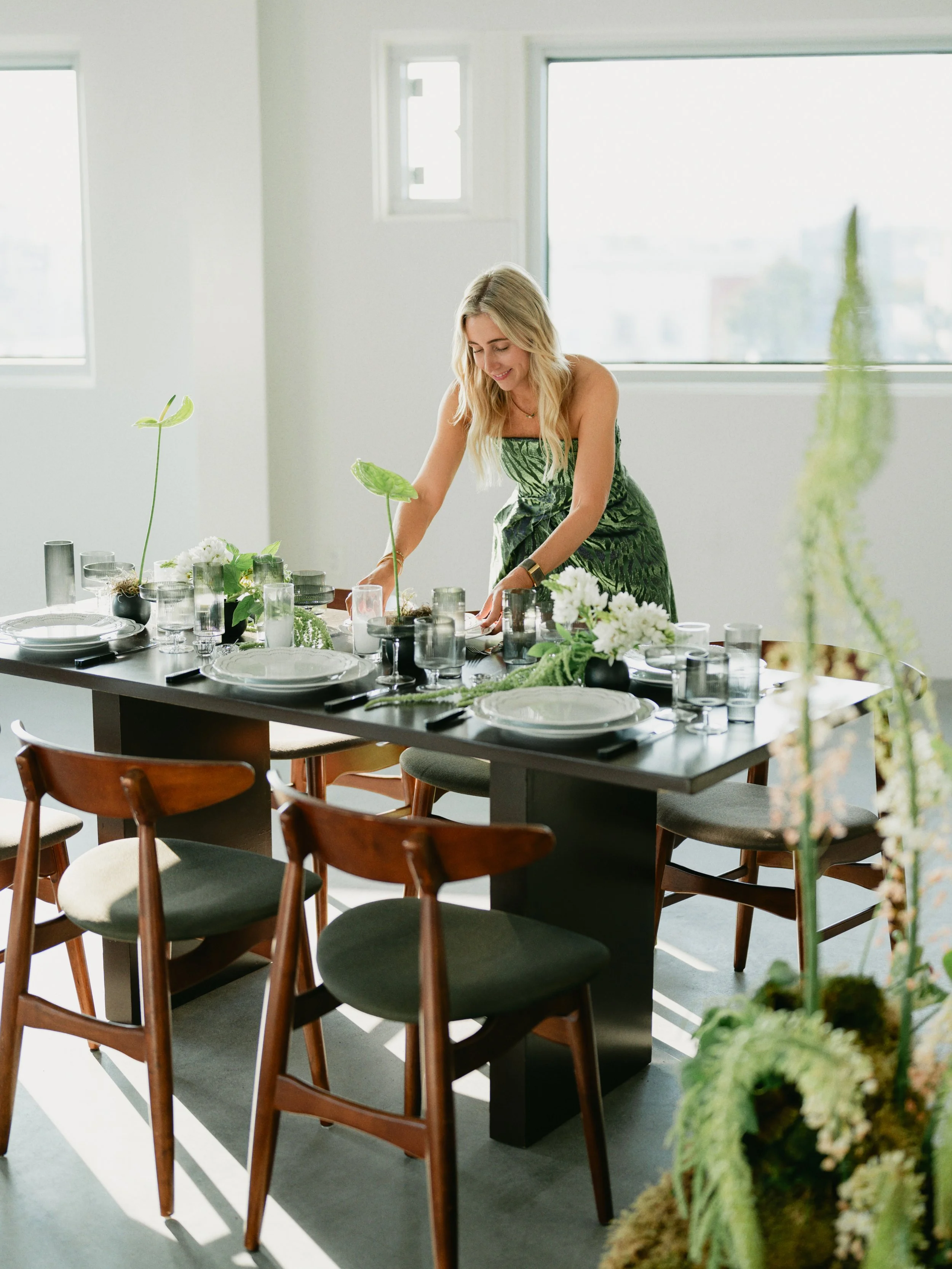
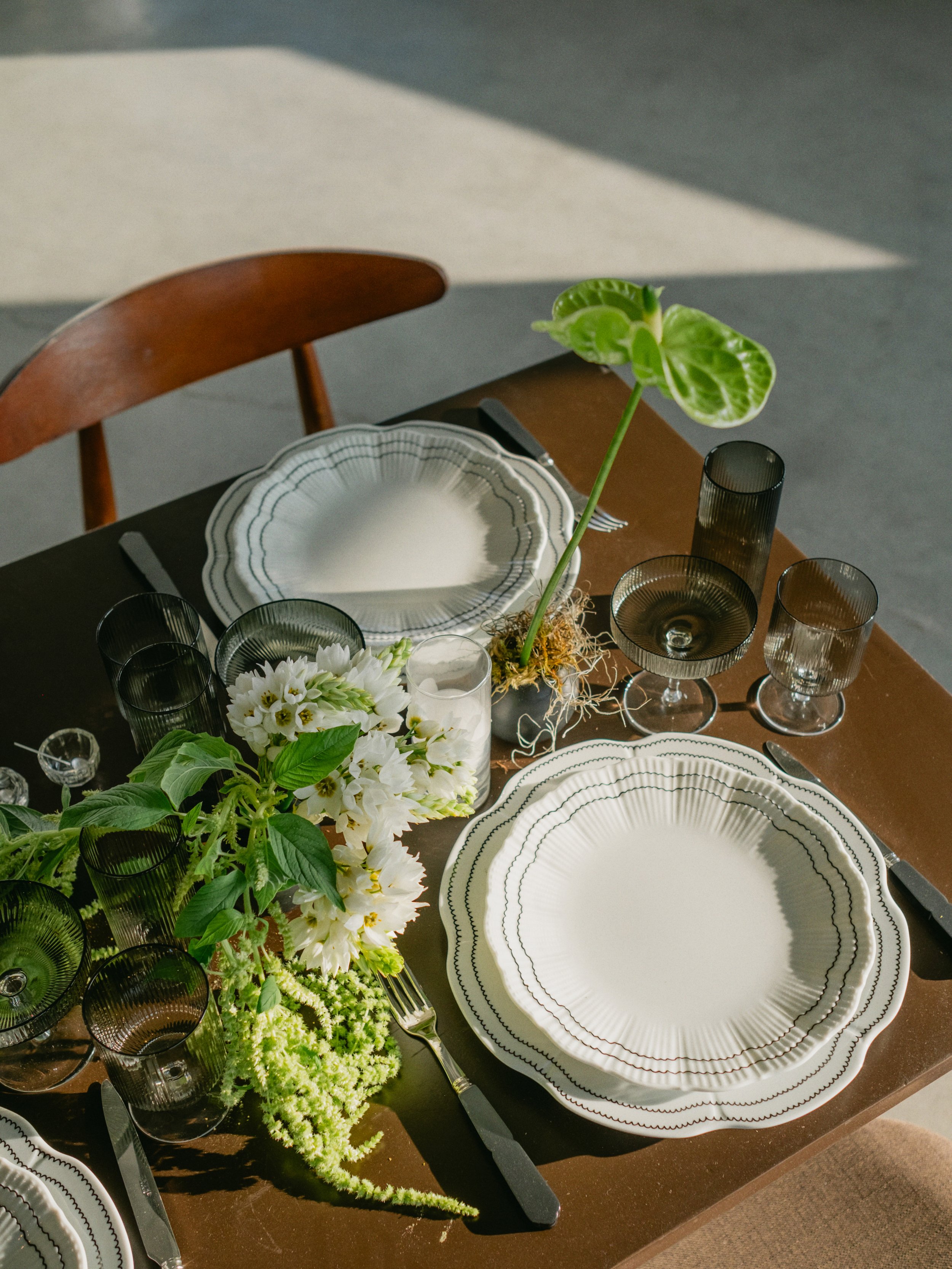
Unwrap Everything — If you've ordered 200 candles, remove all packaging and stickers beforehand. This saves time and reduces unnecessary trash at the venue.
Label by Section — Organize items into boxes labeled by location (e.g., “Ceremony Decor," "Reception Table Numbers"). List the contents on the outside to make unpacking easy.
Communicate Your Vision — Share your setup expectations in advance. Whether it's a drawn-out plan, a mock-up, or photos, let your coordinator know how flexible you are with adjustments.
Photos by For the PhotoQ. Should I give my DJ a curated playlist?
A. Give them guidance, not a strict setlist.
You’re hiring a DJ for their expertise, not just to hit play on a playlist. Here’s how to get the best results without micromanaging:
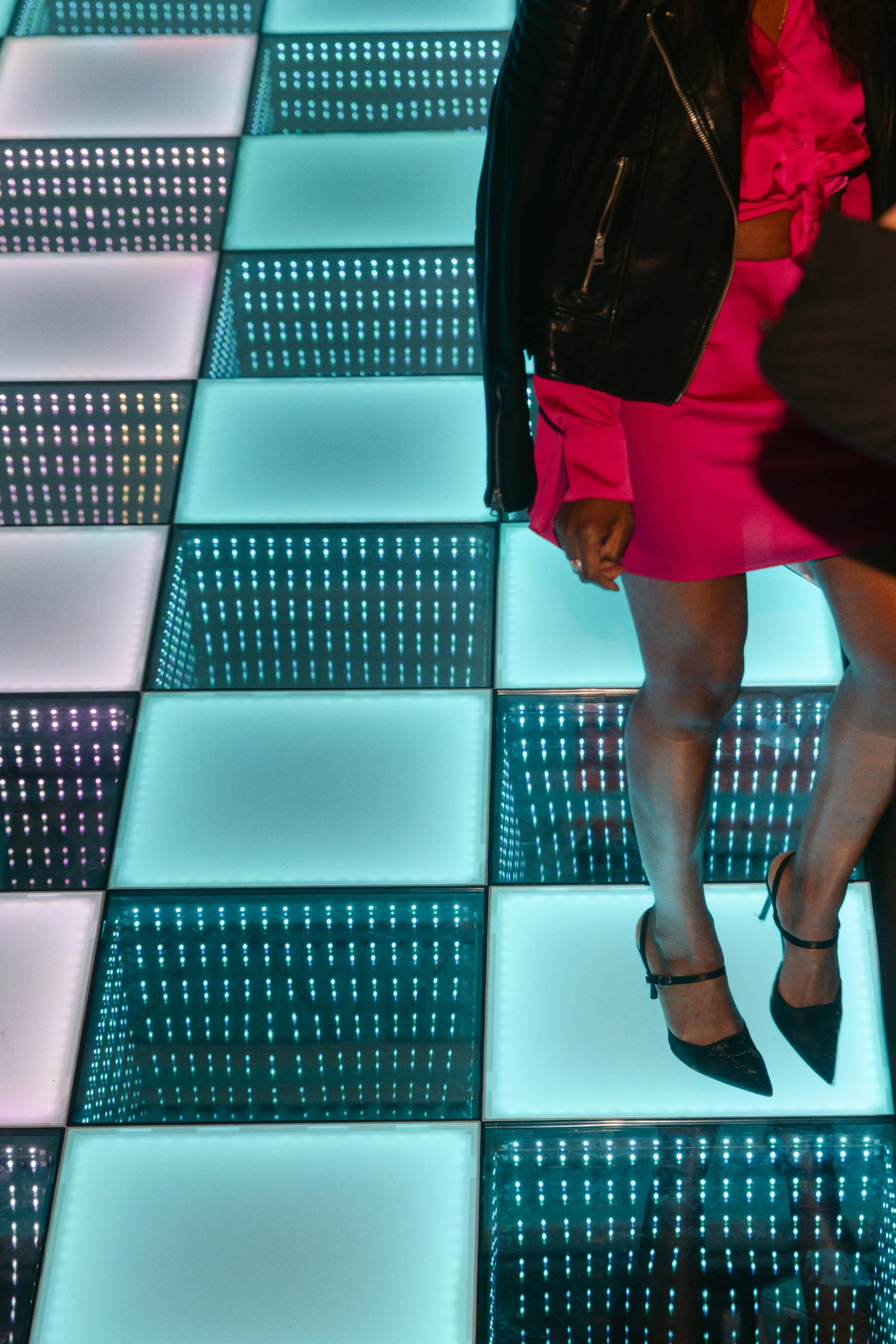
Choose Your DJ Wisely – Don’t book based on price alone. Listen to their mixes, understand their style, and make sure you like how they transition between songs. Some DJs do quick cuts, others let songs play longer—know what you prefer.
Give a Vibe, Not a Setlist – Share favorite genres, artists, and must-play songs as inspiration. Just don’t expect them to follow an exact order.
Make Your ‘Do Not Play’ List Clear – If there are songs or genres you can’t stand, tell them upfront.
Trust Their Expertise – A good DJ reads the room and keeps the energy flowing. Let them have the creative freedom to mix in a way that works for your crowd.
And if your uncle wants to request a song that isn’t on the list? Let the DJ handle it—chances are, they know what will work better than your guests do.

Photos by Annie McElwain and For the PhotoQ. Who traditionally gives the welcome toast at a wedding?
A. Usually the father of the bride, but there’s flexibility.
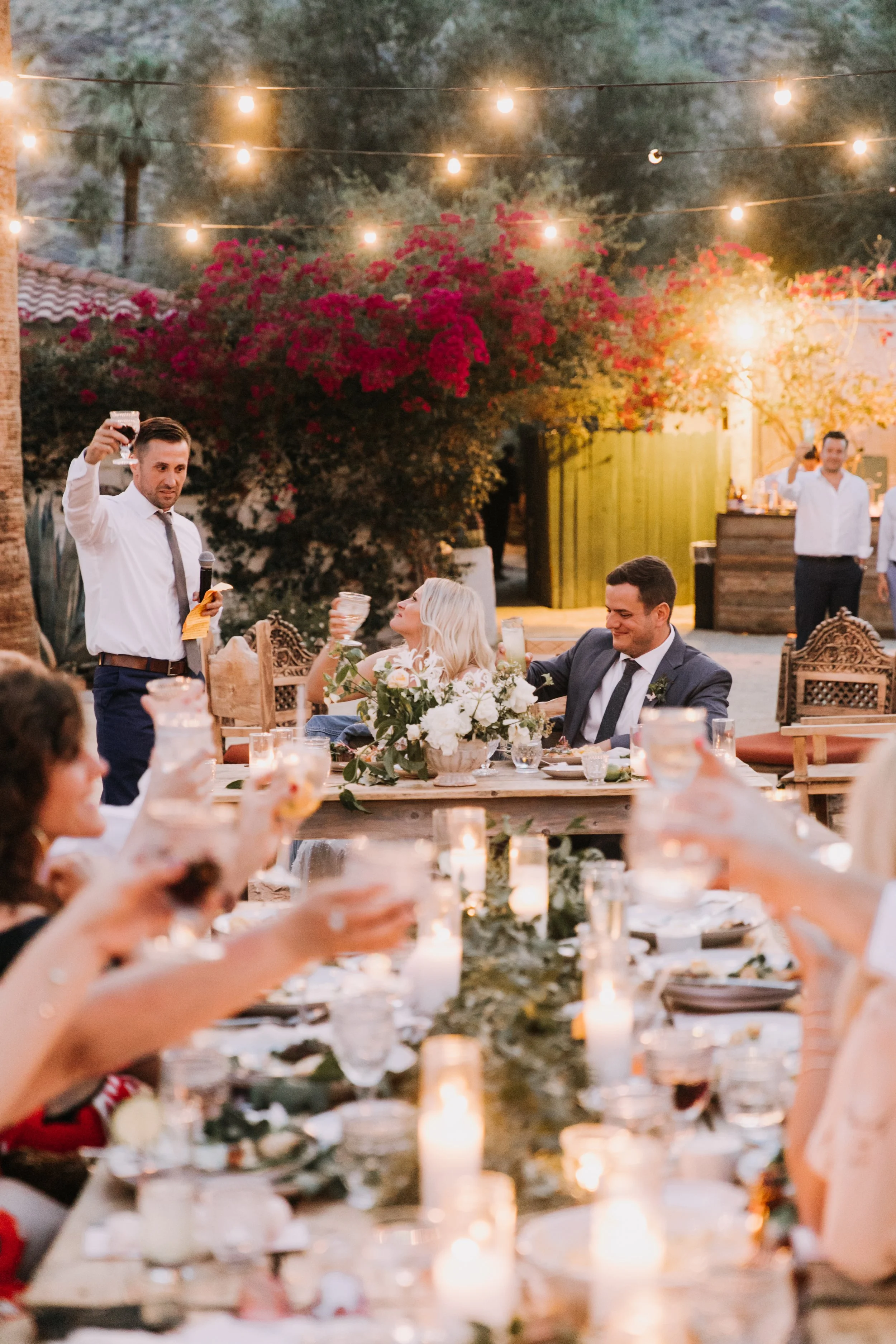
While tradition says the bride’s father gives the welcome toast, there’s no set rule. Here’s how to decide:
Bride’s Parents First – Typically, the father or mother of the bride speaks first. If parents are divorced, both can say something.
Groom’s Parents Next – Even though the rehearsal dinner is often their moment, they may want to give a toast at the reception as well.
Other Family Members – In some cases, an aunt, uncle, or another close relative can step in.
The Couple Themselves – If there’s family estrangement or another reason, the couple can do the welcome toast.
The toast usually happens after the grand entrance and first dance, just before dinner. There’s no wrong answer—choose what feels best for your family dynamic.

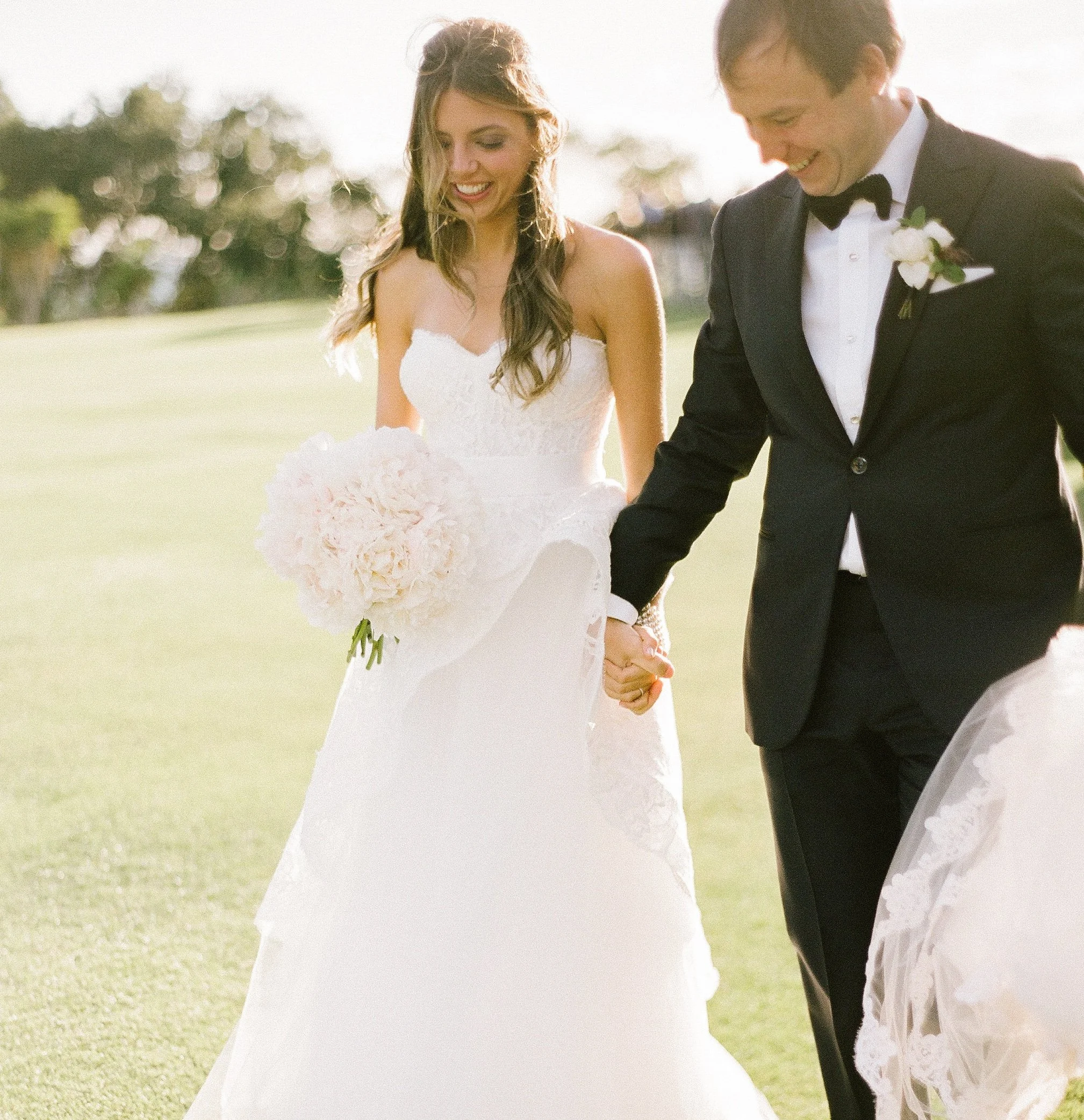
Photos by Love Me Do PhotographyQ. At what point should I remove my wedding veil?
A. It depends on the photos and look you want.
There’s no strict rule, but here’s how to decide:
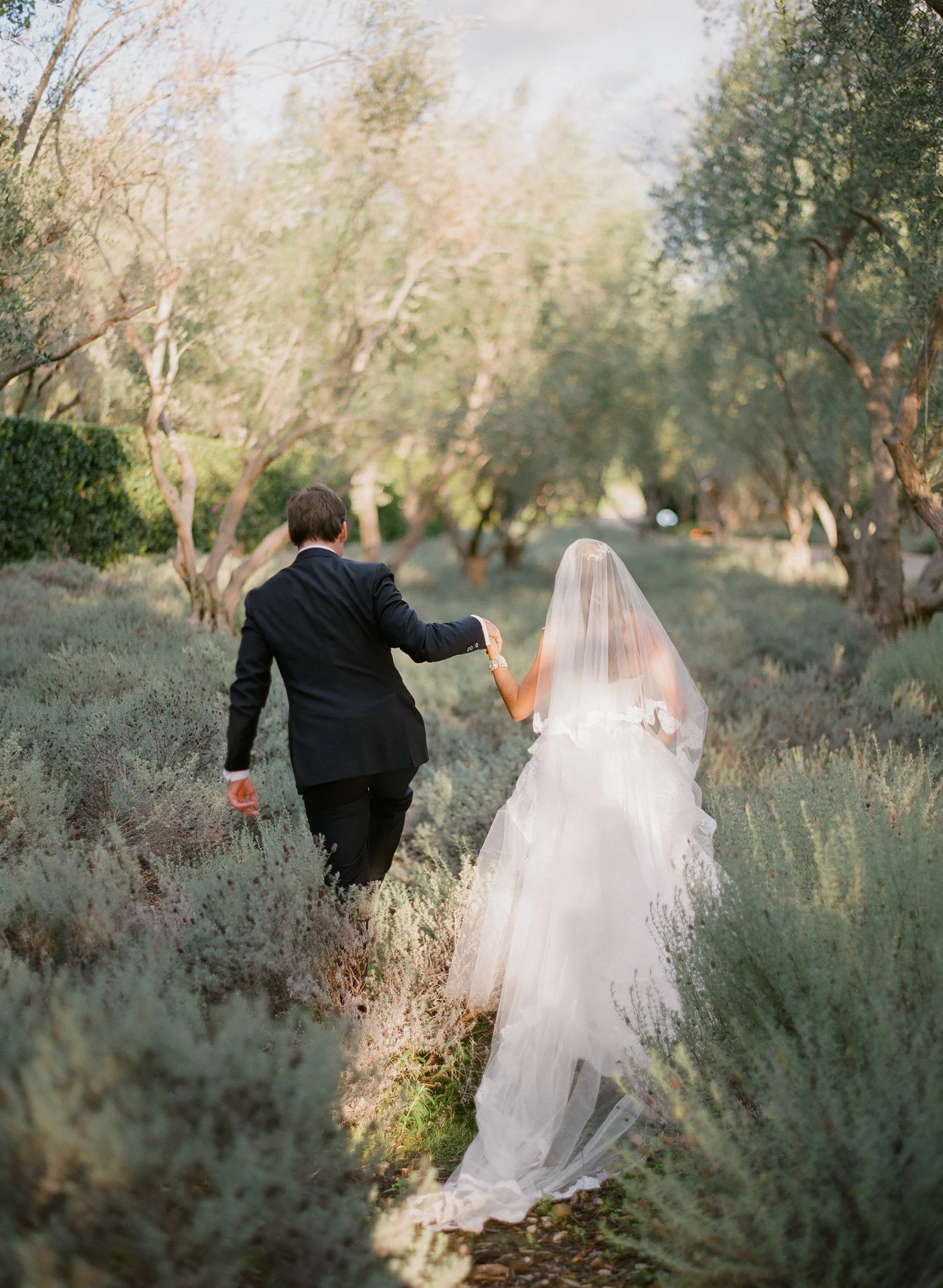
Most brides wear their veil down the aisle and remove it after the ceremony.
If you love the veil, keep it on for golden hour portraits, then remove it before cocktail hour.
Consider how you want to look in family and bridal party photos—some with the veil, some without gives you variety.
Work with your beauty team on when they’ll place the veil to fit your timeline.
Think about the overall aesthetic you want and plan accordingly. You can always take photos with and without for more options.
Photos by Raya Carlisle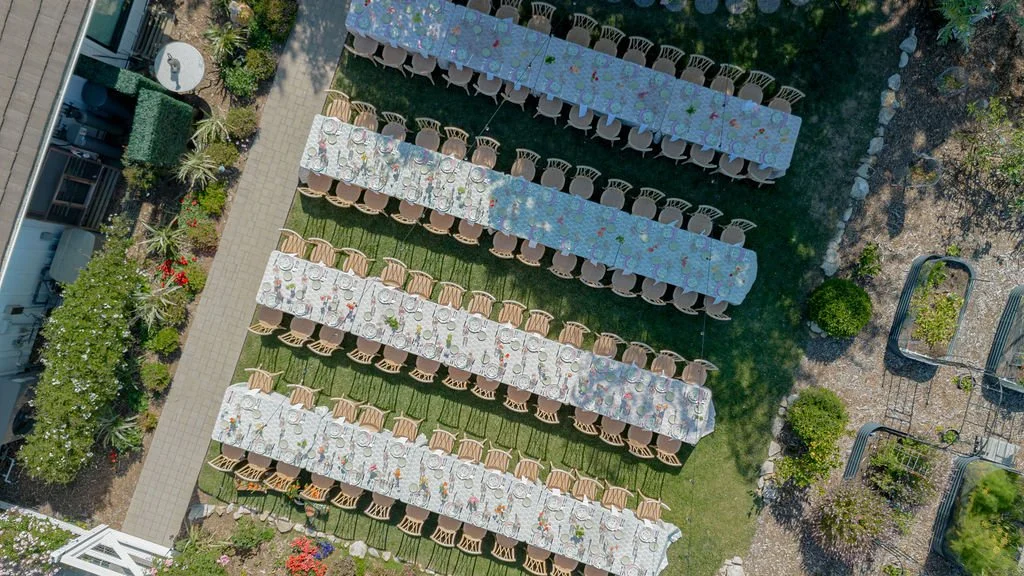
Answers #001
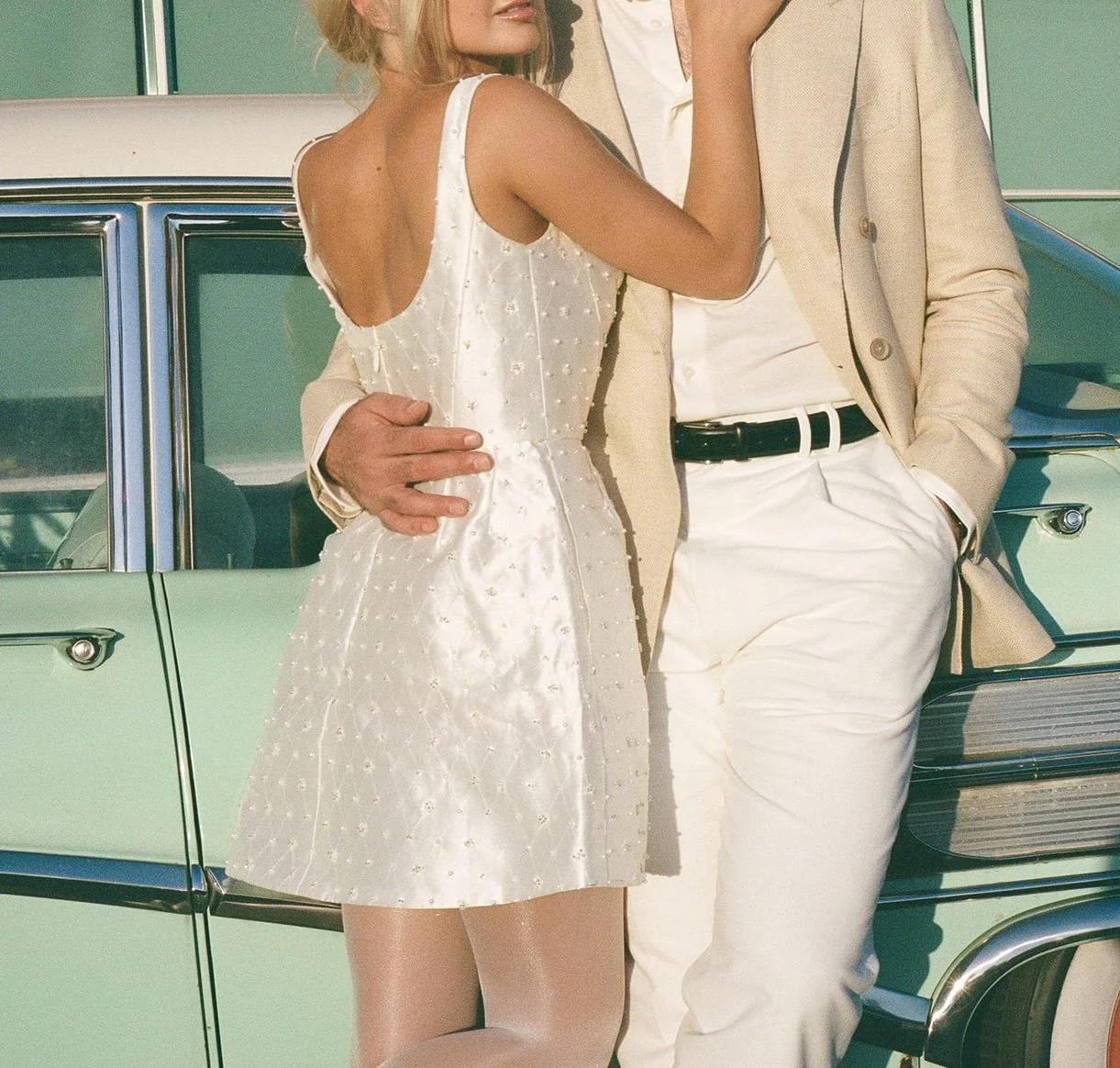
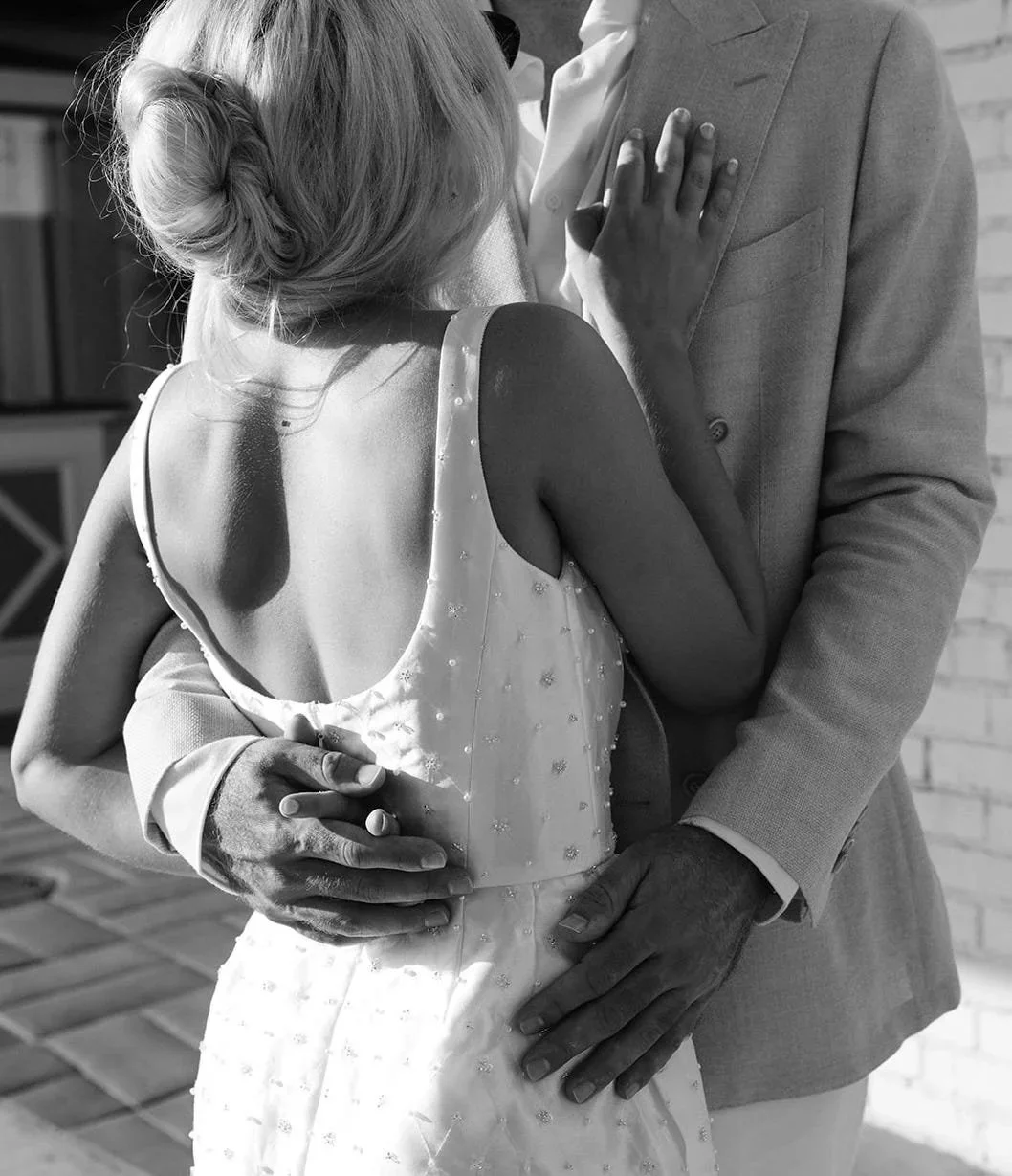
Q. Should I do an engagement shoot?
A. Always do the engagement shoot.
Think engagement photos are unnecessary? Think again. Here’s why they’re worth it:
Practice Makes Perfect — You’ll get comfortable in front of the camera before the big day. Unless you are an influencer, most people do not know how to pose with their significant other and it helps to find your best angles.
Learn About Your Photographer — See how they direct you and if you like their style. You might want more or less communication on your wedding day in order to get the best results.
Use the Photos — For save-the-dates, wedding websites, or even decor at the reception.
Photos by Rachel FosbennerQ. Which is better for dinner, long tables or round tables?
A. When it comes to reception seating, I’m team long tables all the way. Here’s why:
Better Tablescapes — Long tables allow for layered designs with florals and candles running the length of the table. Round tables make this harder to achieve.
More Aesthetic, Less Ballroom-Like — Round tables can feel overly formal, while long tables create a modern, intimate, and elegant look.
Space Efficiency — Long tables can be arranged creatively, like serpentine layouts or banquet-style seating, making them great for maximizing space.
For a stylish, dynamic reception, long tables are the way to go.
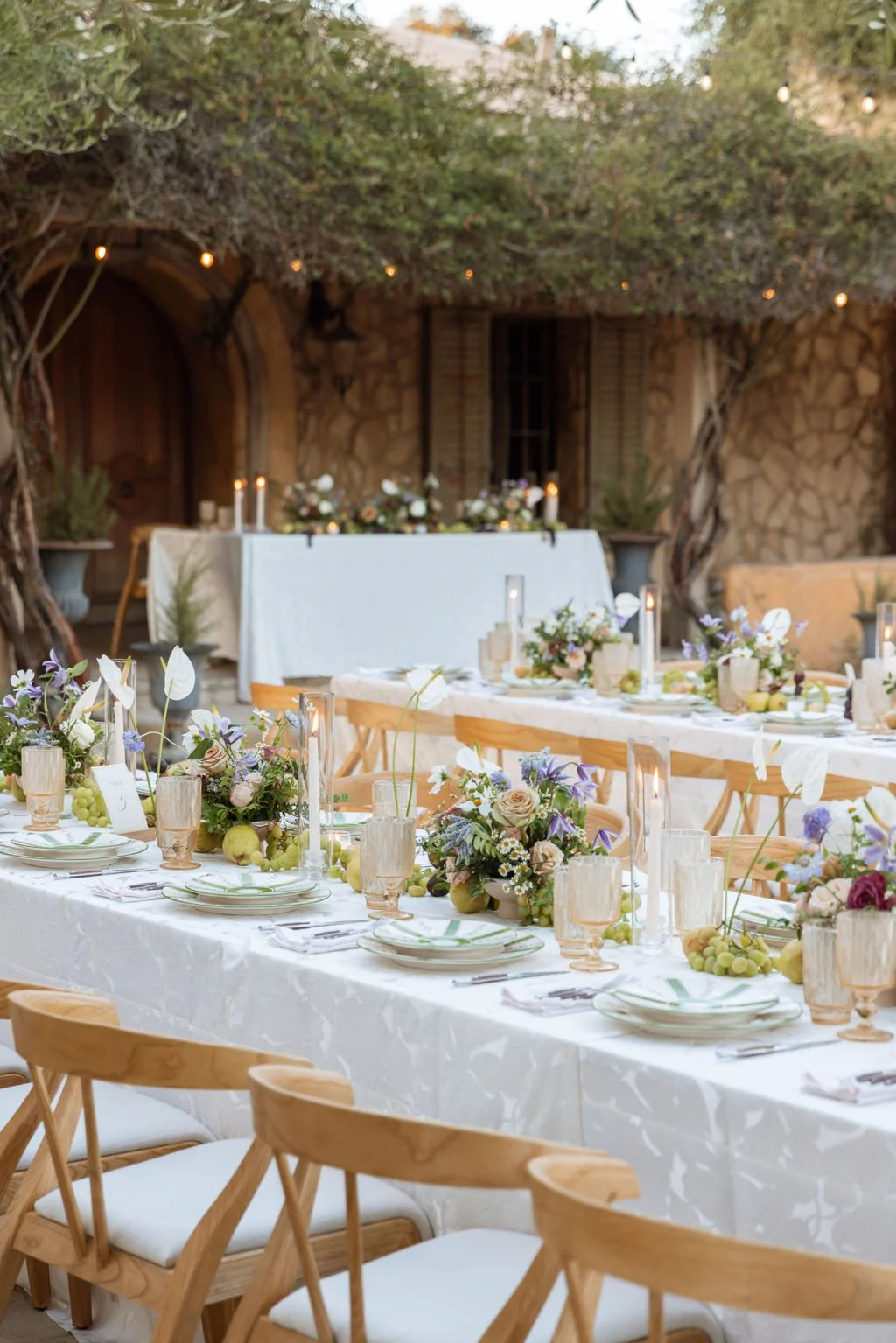
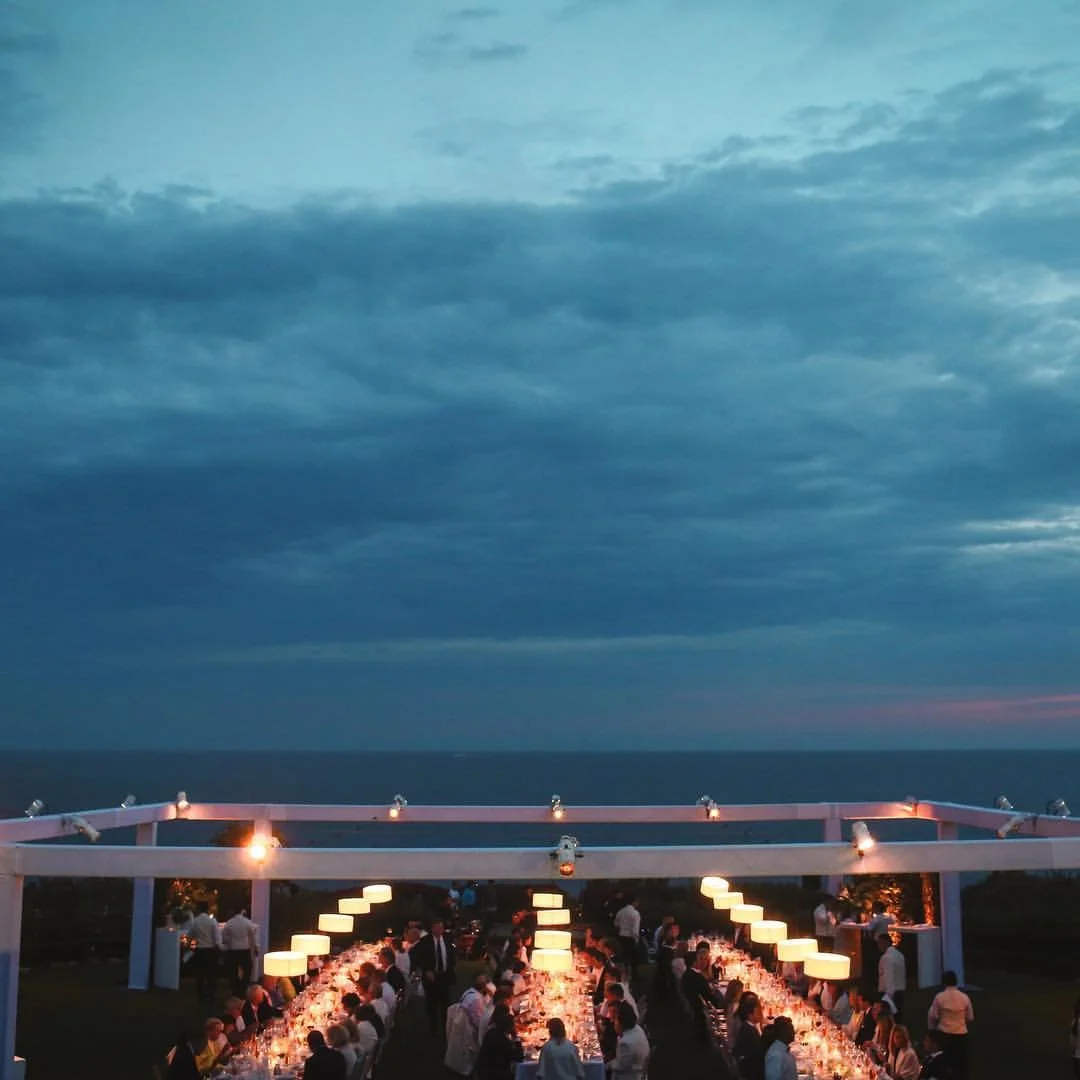
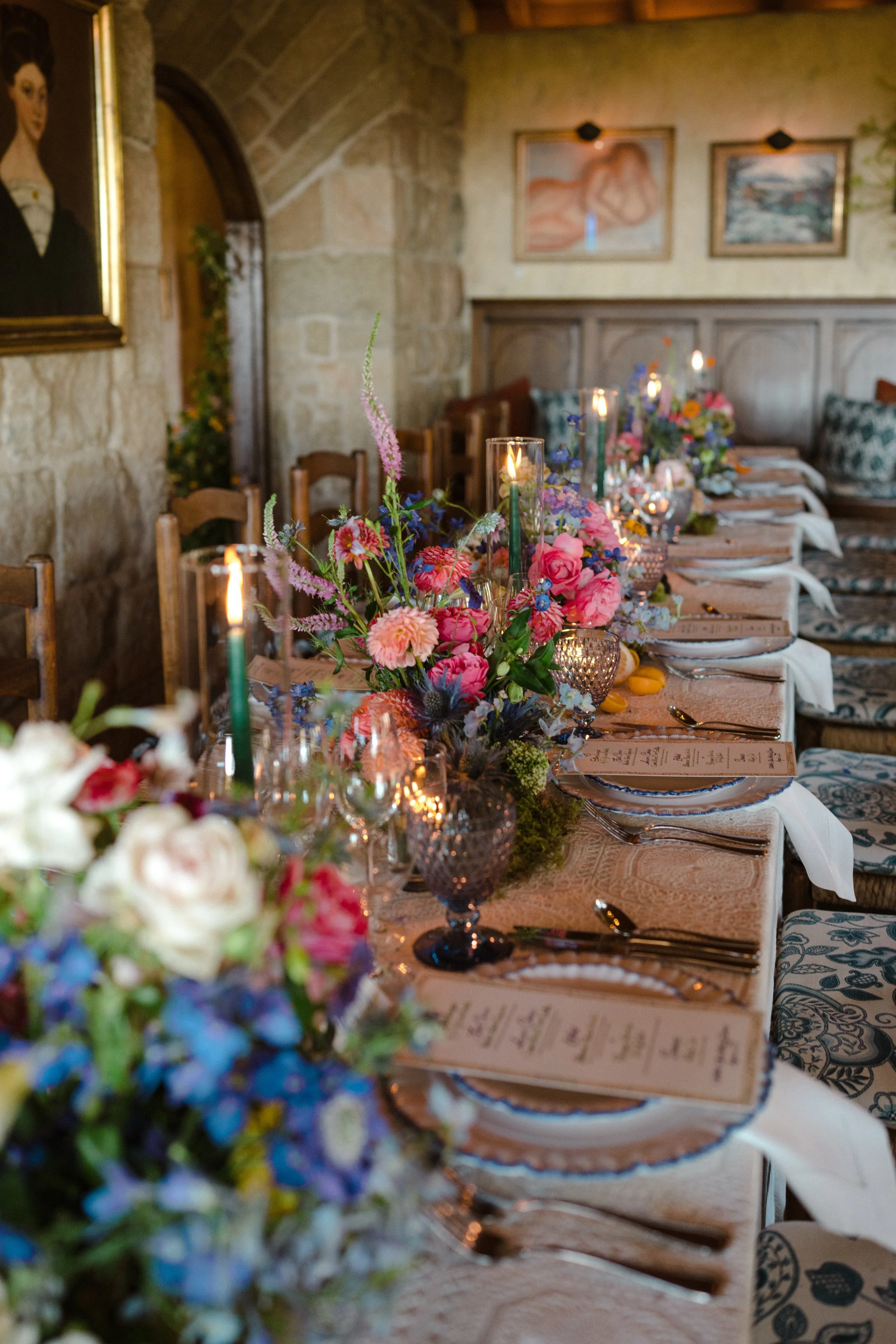
Photos by Raya Carlisle, Max Wanger, Olivia Rae JamesQ. What should I do for the day after brunch?
A. Skip the Post-Wedding Brunch.
A post-wedding brunch sounds nice in theory, but in reality, it’s often unnecessary stress and expense.
Travel Plans Vary — Guests leave at different times, making attendance unpredictable.
Hard to Plan — You’ll need a flexible venue, but RSVPs usually come in too late.
Early Mornings — After an exhausting wedding day, you might not want to wake up early and host again.
Instead, keep it casual. Sleep in, send a group text, and let whoever is around drop by for a relaxed, no-pressure meetup.
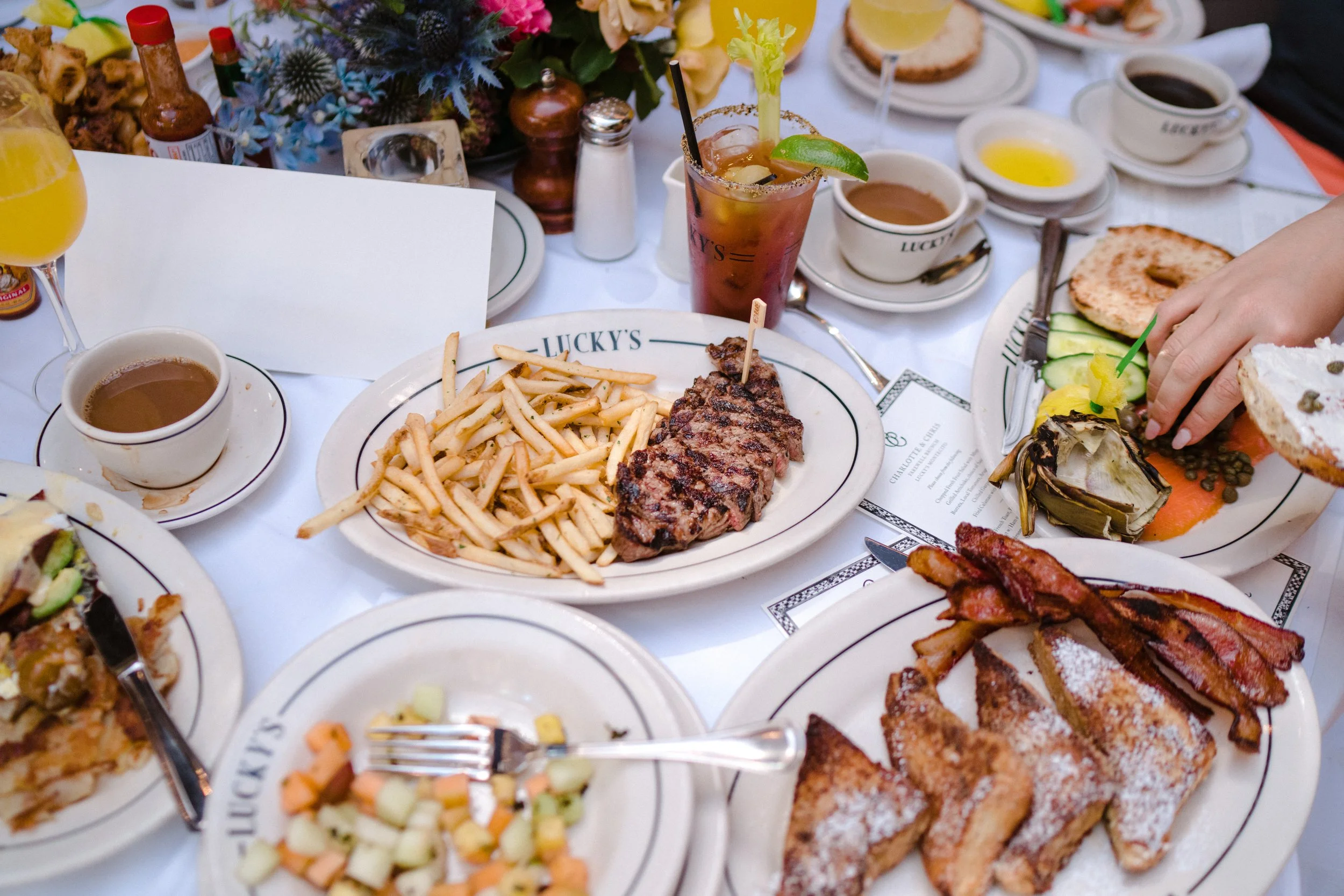
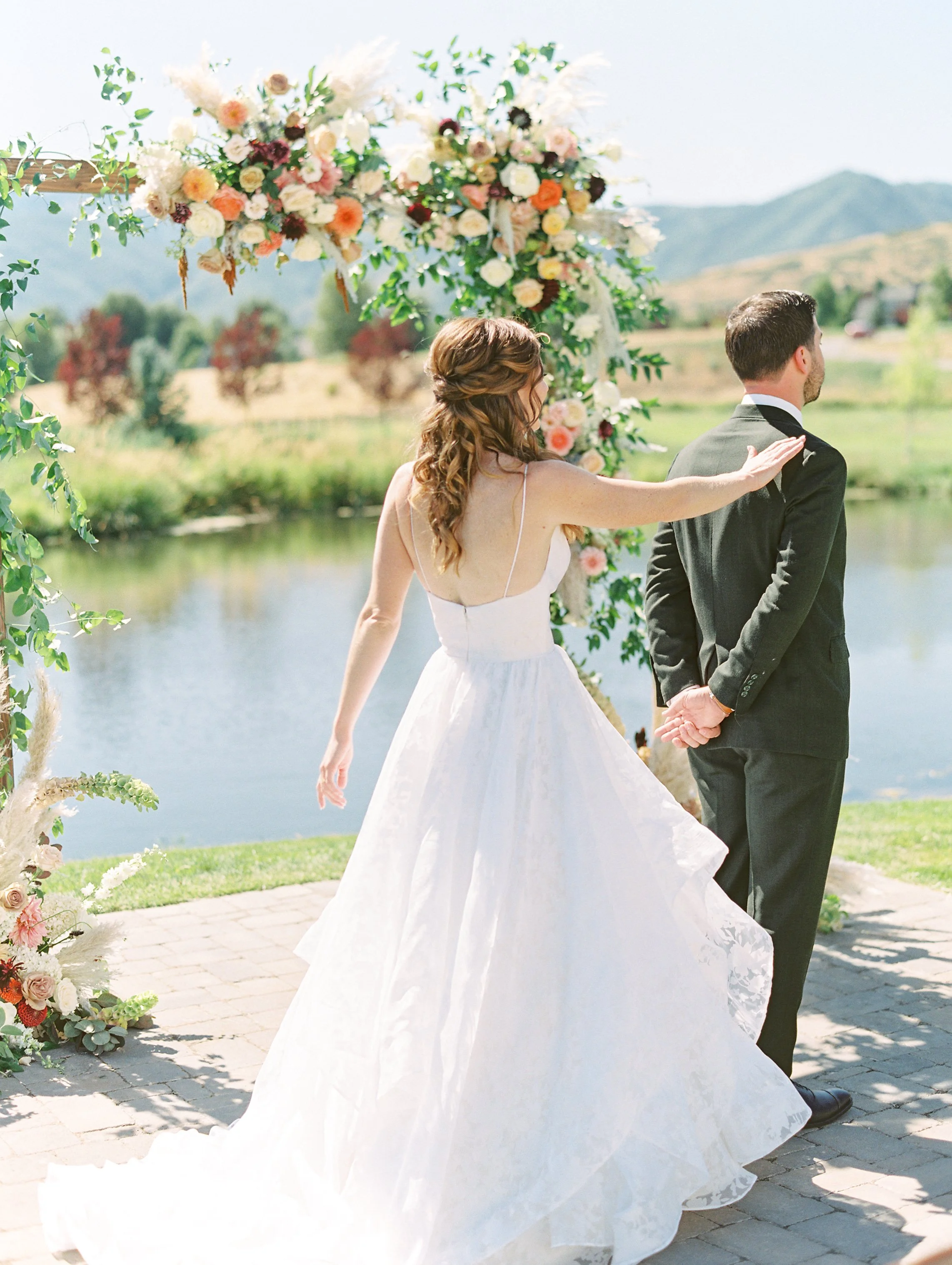
Photo by Olivia Rae JamesQ. Should you do a first look?
A. The First Look is Worth It
A first look doesn’t take away from the magic of the aisle moment—it actually doubles it.
Two Special Moments Instead of One
1. A private, emotional moment together—just the two of you. You can hug, cry, exchange letters, and soak it all in.
2. A second, equally powerful moment when you walk down the aisle, now with the soaring music and all your guests witnessing it.
Timing Perks
You’ll get more time for portraits, meaning less stress and more time enjoying your wedding.
Avoid missing cocktail hour or getting pulled from dinner for extra photos.
Sunset photos can be a quick five-minute session instead of a rushed 20-minute break.
Photos by Annie Mcelwain and Kenzie Victory