ANSWERS #006
Q. Do vendors really charge more just because you say “wedding”?
A. Not because of the word…because of the work.
This is one of the most asked questions, and while it’s easy to assume vendors hear “wedding” and start adding zeros, that’s not actually what’s happening.
Weddings are more time consuming — Weddings take longer to plan, require more hours overall, and involve more meeting, emails, and back-and-forth than bran events, birthdays, or other celebrations.
There are more stakeholders — Unlike most events, weddings involves multiple decision-makers—couples, parents, and sometimes stepparents—all with opinions, expectations, and emotions tied to one day.
The event itself lasts longer — May vendors are on-site for extended periods, sometimes 20 hours…including setup, the wedding, and breakdown, which may happen across multiple days.
The planning window is much longer — Weddings are often worked on for a year or event two, unlike birthday parties or other events that don’t require that level of long-term involvement.
At the end of the day, weddings aren’t “just another party.” They’re more complex, more emotional, and more involved…and pricing reflects the time and labor required to do them well.
Photos by Pauline ChatelanQ. Sweetheart table or head table - which one actually works best?
A. It depends on your layout, but if you’re doing long tables, a head table almost always wins.
This choice is less about tradition and more proportion, flow, and how the room reads…both in person and in photos. The table you sit at should feel intentional, not like an afterthought that didn’t quite fit.
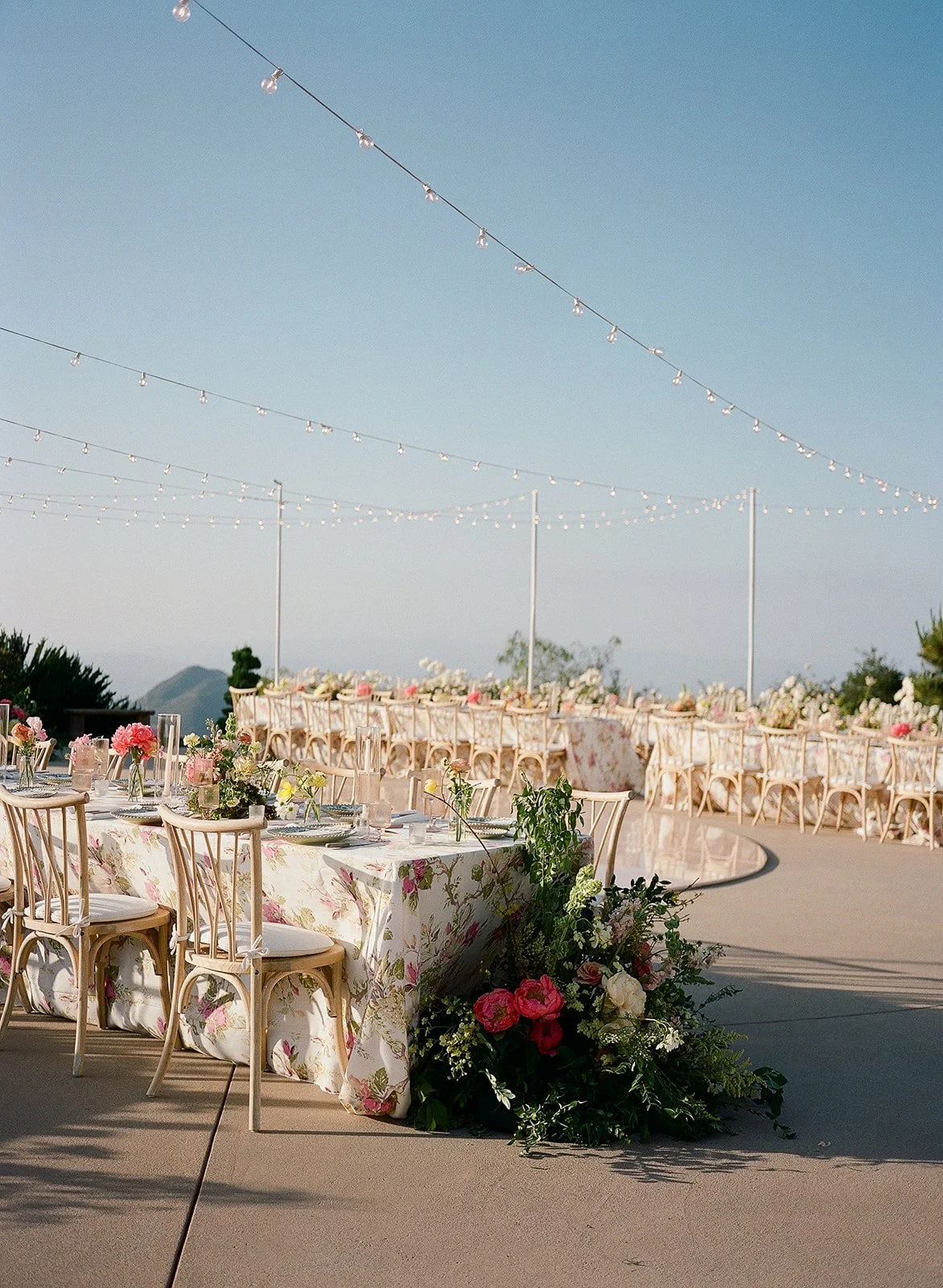
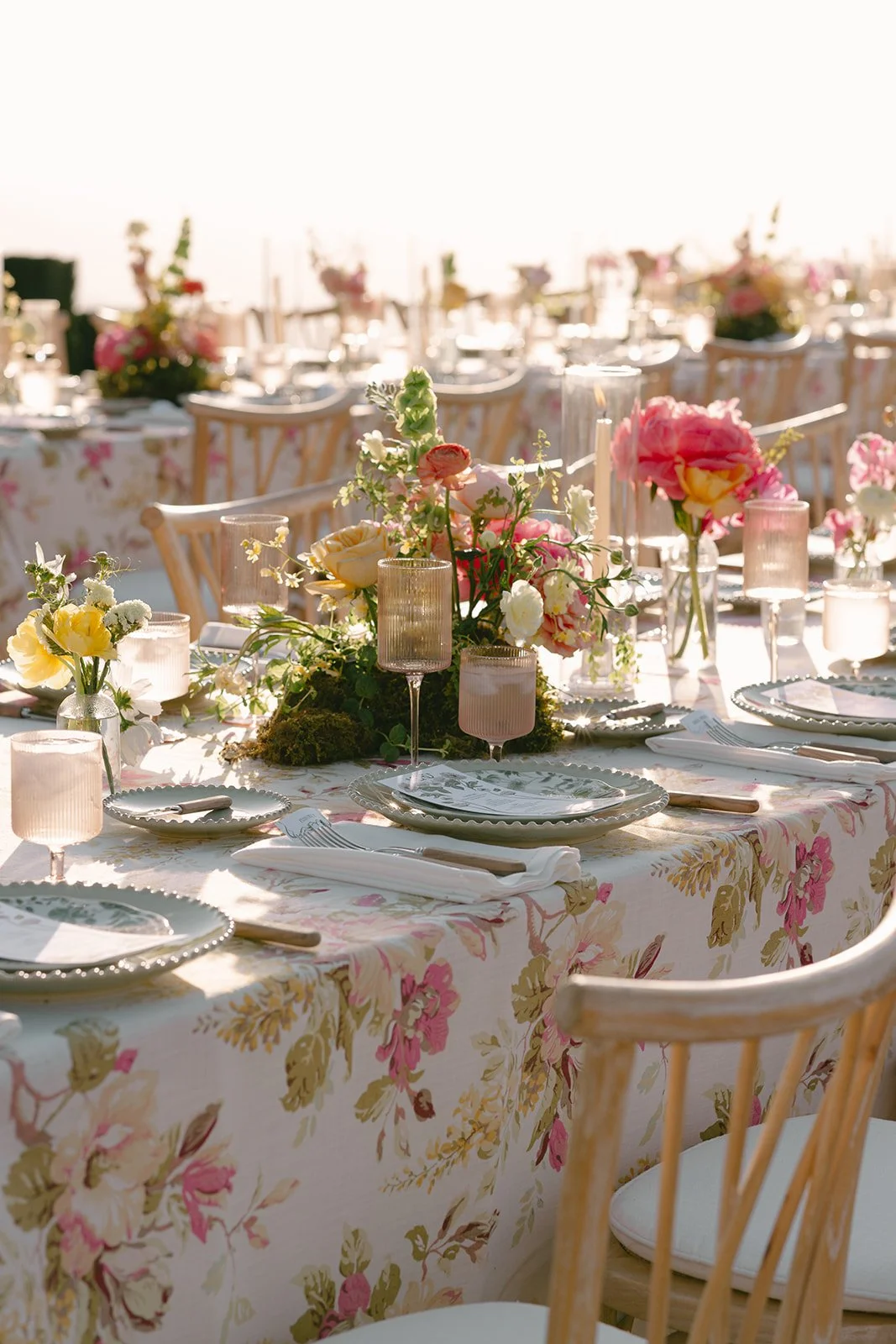
Head tables workbest with long table layouts — If the rest of the reception is long tables, a connected head table creates visual continuity, gives you space to socialize, and makes the table scape feel elevated.
A sweetheart table is essentially a tiny round — If your entire layout is rounds, a sweetheart table makes more sense…it blends better and doesn’t feel visually disconnected.
Long head tables photograph better — Leaving a bit of space around a connected head table helps you stand out as the focal point and gives your photos breathing room.
Logistics matter — If your venue doesn’t offer long tables or can’t accommodate a connected setup, a sweetheart table is totally fine…just make the base and design feel intentional and styled.
Photos by Rachel FosbennerQ. Why should you do a first look?
A. It’s the most efficient use of your time…and you don’t lose the moment.
Deciding whether or not to do a first look come sup with almost every couple. From a planning perspective, it’s one of the biggest tools for keeping the day running smoothly while still protecting your experience and your photos.
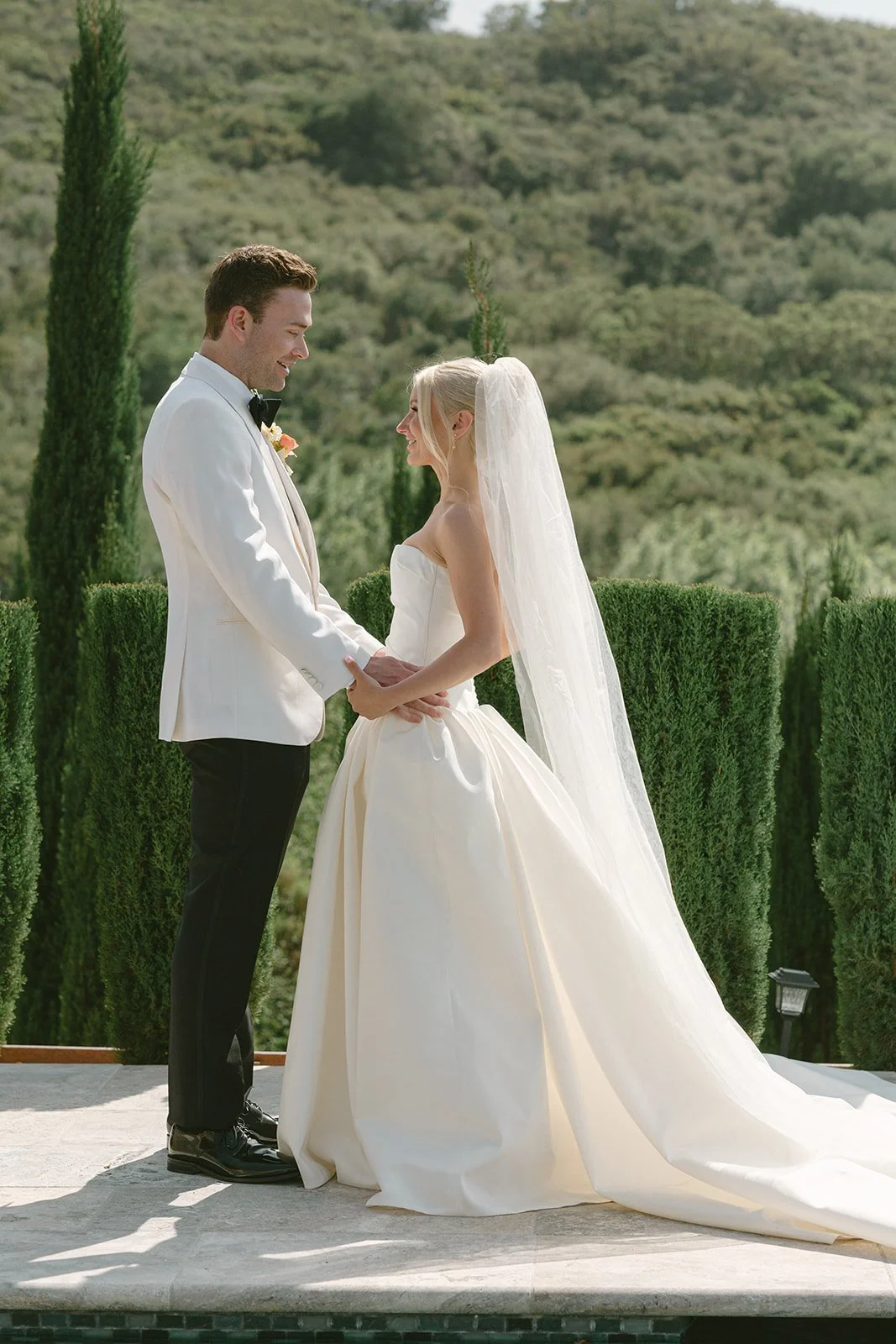
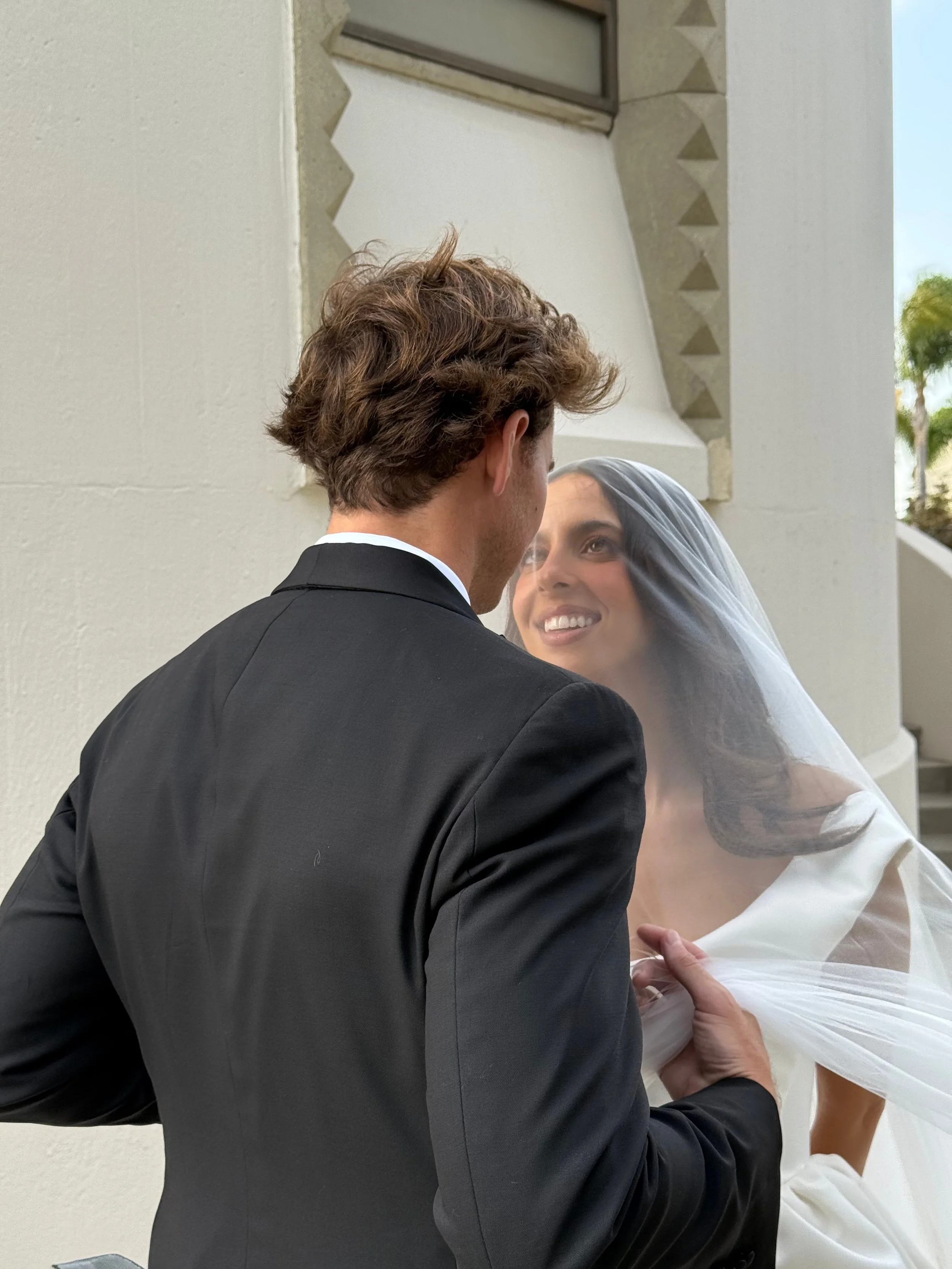
It keeps your timeline efficient —A first look allows you to take couple portraits and most family photos before the ceremony, instead of spending your entire cocktail hour taking pictures.
It improves guest experience — Guests can be released into cocktail hour immediately after the ceremony instead of waiting while photos are taken.
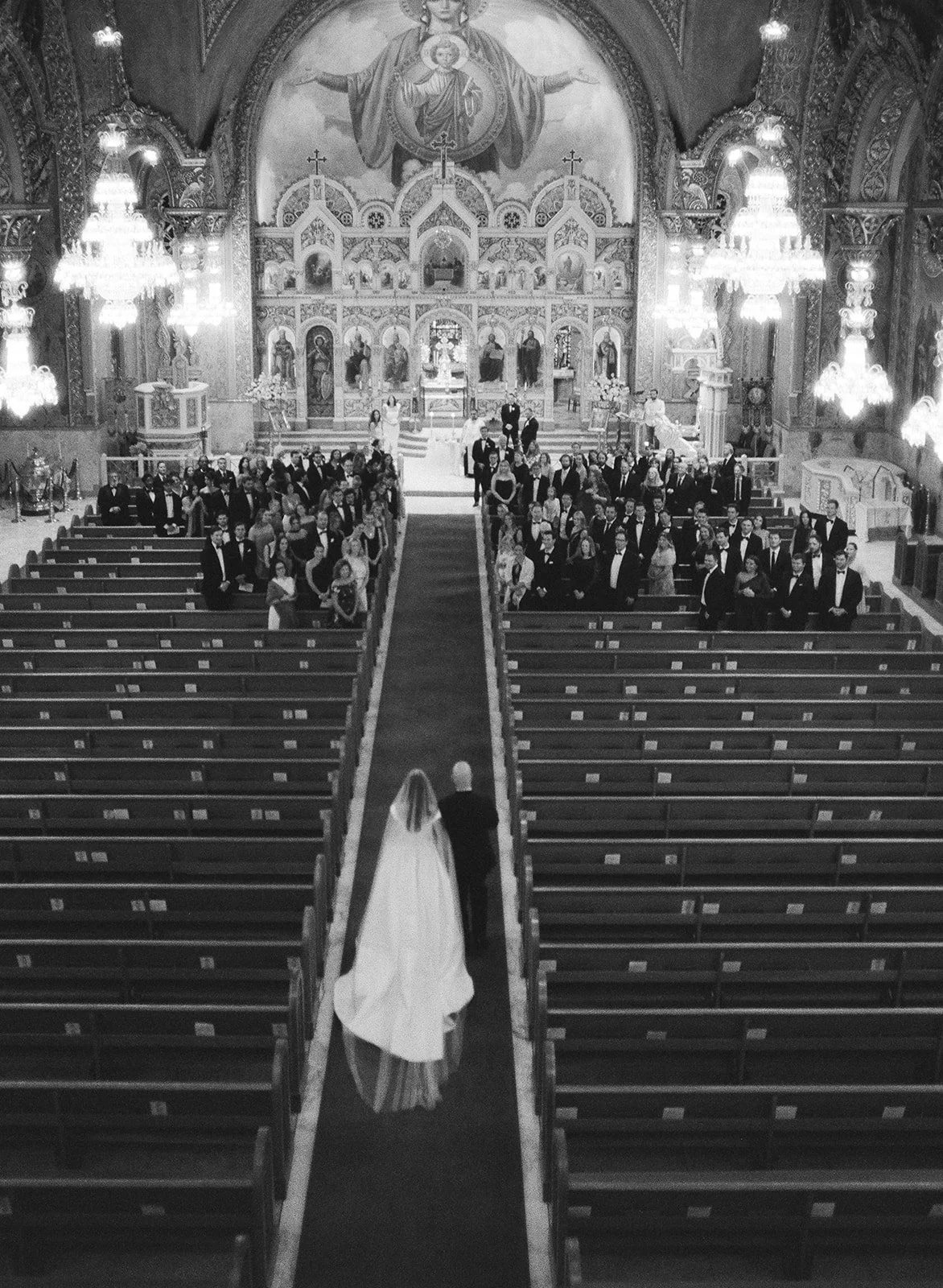
You get more meaningful moments — A private first look gives you space to connect quietly, and the ceremony still delivers a completely different, emotional experience with music, an aisle, and all your guests watching.
Photos by Rachel Fosbenner and Michelle Pullman of St. ChelleQ. What happens when uninvited or additional guest show up to a wedding?
A. It happens…and the goal is handling it without disrupting the event.
Additional guests aren’t the most common issue, but when they do show up, it’s usually noticed quickly.
It’s usually caught by staff first — Servers or guests notice seating issues when names or table numbers don’t match and alert the planner before anything escalates.
The planner manages the adjustment — As the team lead, the planner decides whether guests can be moved, reseated, or accommodated elsewhere based on available space and place settings.
Cultural expectations vary — In Some cultures, bringing additional guests is normal…ideally with a heads-up so food and seating can be planned accordingly.
Preparation is the real priority — The goal isn’t judgment, but making sure there’s enough seating and food so the event still feels intentional and well-planned.
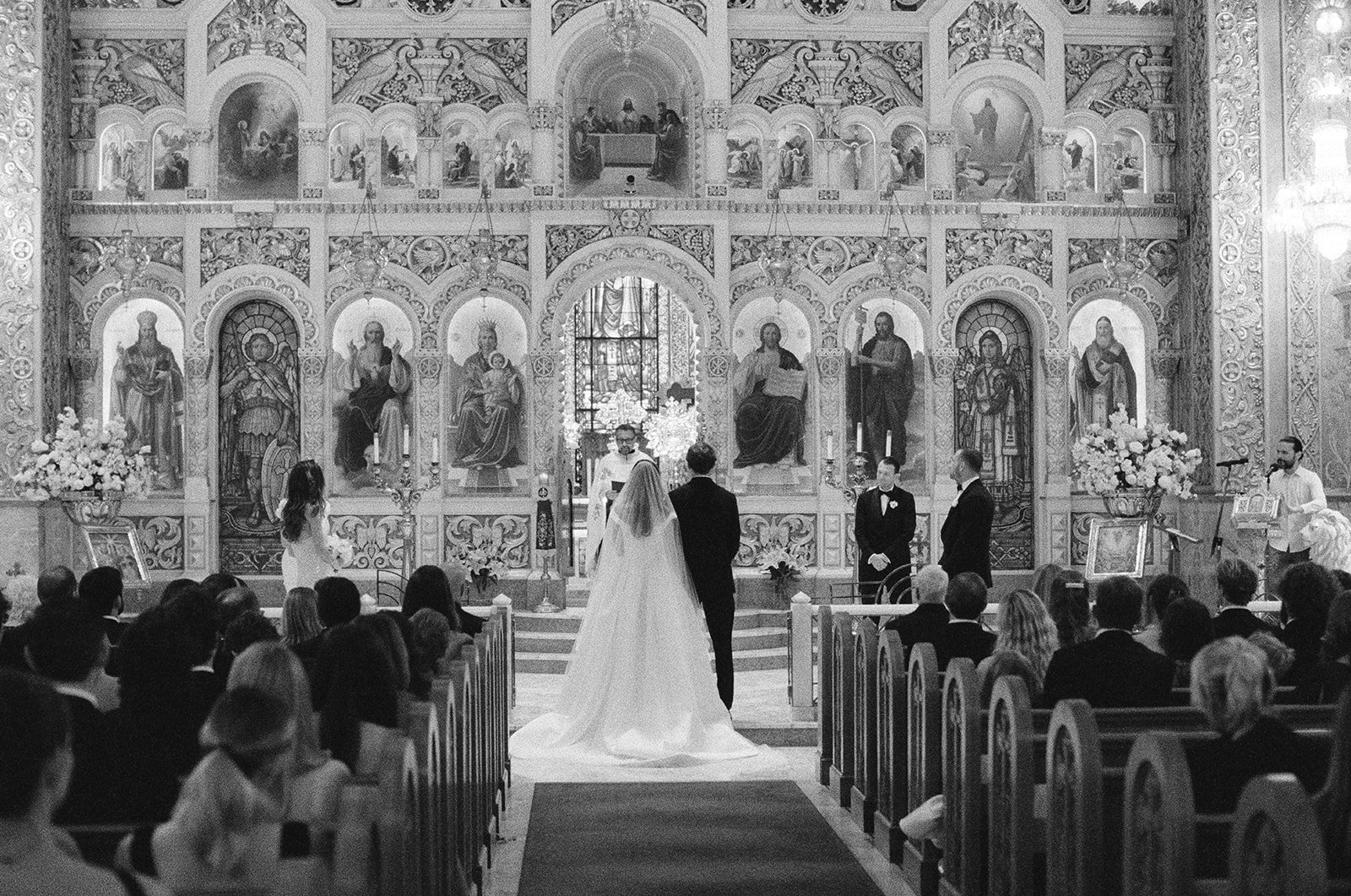
Photos by Michelle Pullman of St. Chelle